# Damp in the cellar: what should you check before treatment?
Before agreeing to treatment for a damp cellar, have the cause explained, the observations supporting it and the intended result for the planned use. A stain is not enough to choose a technique. Ask for an explained diagnosis, then a quotation distinguishing investigations, treatment and finishes: the budget depends on that scope, not simply on the word 'damp'.
## Why should you start with a diagnosis?
Buildwise points out that moisture can have several sources: water ingress, condensation, rising damp, salts or construction moisture. Its [overview of damp in walls and cellars](https://www.buildwise.be/fr/concret/humidite/humidite-murs-caves/) recommends identifying the sources, eliminating them sustainably, then planning repairs and finishes while allowing for drying. A water-repellent surface treatment is not a universal answer.
The [diagnostic approach described by Buildwise](https://www.buildwise.be/fr/publications/articles-buildwise/2021-06.01/) combines visual observations, information gathering and measurements where appropriate. The professional determines which investigations are useful. Ask them to link their conclusion to the observations and identify what remains uncertain before you choose a treatment.
## What should you prepare for the professional's visit?
Our preparation method involves gathering the available information, without expecting the owner to become a diagnostician:
- Dated photographs showing an overview and the affected areas.
- When the damp was first noticed and how it has developed.
- Any observed connection with rainfall or the seasons.
- Changes in use, ventilation and recent building work.
- Previous findings, quotations and documents relating to completed work.
Present a connection with rainfall as an observation, not as proof of water ingress. Also retain the points still awaiting investigation: a partial explanation must not become a certainty in the sale file.
## Why is more airing not always enough?
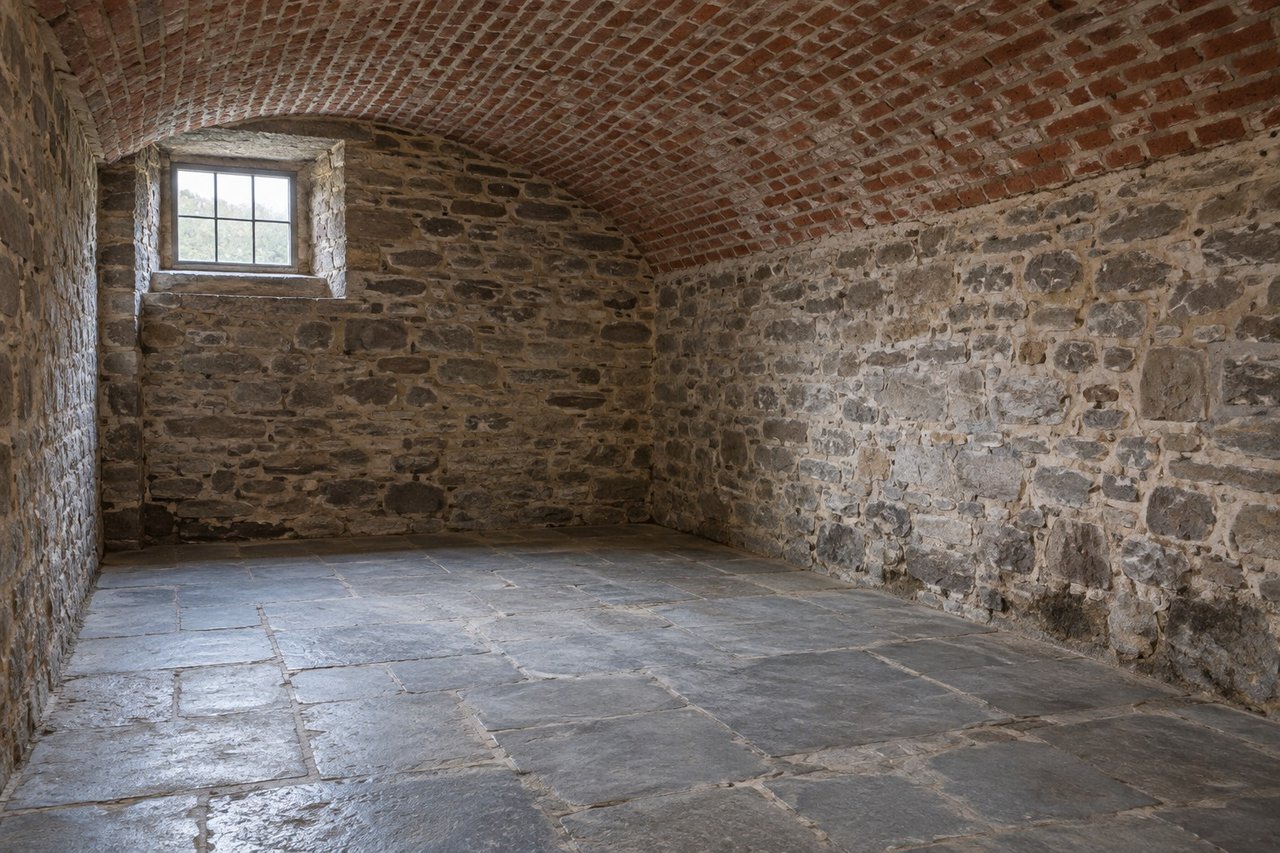
The [Buildwise FAQ on condensation in cellars](https://www.buildwise.be/fr/help-center/faq/pourquoi-la-condensation-apparait-elle-parfois-dans-une-cave/) explains that warm, humid outside air can condense on cold walls, especially in summer. Excessive airing can then increase the problem. This is not an instruction to close all ventilation openings: have the way the space functions assessed before changing its ventilation.
The same FAQ describes limited, temporary dampness as compatible with a space used solely for storage or as a garage. It does not mean that every damp cellar is acceptable or that all items can be stored there.
## How does the intended use shape the quotation?
Buildwise treats the use of the space as a criterion for the interventions to consider. Explain whether the cellar will remain a storeroom, serve as a garage or form part of a conversion project. Do not present a future living space as a certainty: have the feasibility of the entire project assessed.
To compare proposals, ask each professional to specify:
- The identified cause, the observations supporting it and the remaining investigations.
- The area to be treated, the proposed technique and its limitations.
- The planned drying, finishes and follow-up.
- The price of the included investigations and work, together with the exclusions.
These questions help you read quotations; they are not a technical specification. If the answers remain unclear, request further explanation or another competent opinion before committing. No universal price can replace a proposal tailored to the cellar.
## How can you prepare a sale without hiding uncertainties?
In our preparation method, the file distinguishes what has been observed, what has been diagnosed, the proposed work and the work actually completed. A quotation does not prove that the problem has been resolved. Documents relating to the interventions and follow-up help present the known condition without promising a future result.
To place this file in the context of preparing an older house, see our [guide to selling a character home](https://youhome.immo/en/journal/character-home-for-sale/). For your project in the Province of Liège, you can also [request your valuation report](https://youhome.immo/en/valuation/request/). The technical diagnosis remains the responsibility of the competent professional.
## What are the answers to frequently asked questions?
### Can a stain identify the cause?
No. It indicates a condition that needs examining. The diagnosis must explain the mechanism identified and any further checks required.
### Should you choose the cheapest quotation?
First compare the cause being treated, the area covered, finishes and exclusions. Proposals that do not address the same need are not directly comparable.
### Is treatment enough to make the cellar habitable?
Do not take this for granted. Have the overall feasibility of the conversion assessed before including that use in your project or in the presentation of the house.
Practical guides
Damp in the cellar: what should you check before treatment?
A damp cellar needs a diagnosis before treatment. These observations and questions will help you compare quotations suited to the problem.