Before choosing acoustic insulation material, describe the noise, the rooms affected and when it occurs. Then have a competent professional investigate its paths. A window, a wall lining and a ceiling do not address the same problem. A sound proposal specifies what it treats, its limitations and the cost of investigations, work and finishes.
## Which noise do you want to reduce?
Voices and music are airborne sounds. Footsteps and impacts can set the structure vibrating. Equipment can produce airborne noise and transmit vibrations. In a room that echoes, reverberation also needs to be examined: the persistence of sound within that space.
[Homegrade explains these mechanisms and distinguishes sound insulation from acoustic correction](https://homegrade.brussels/conseils/acoustique/isolation-accoustique-maison-appartement/). This resource concerns Brussels houses divided into flats. Its explanations of the physics help frame the questions, but its regional rules must not be transposed to your house in Wallonia.
Prepare a simple record:
- the room where the noise is heard and its presumed origin;
- the associated times, activities or equipment;
- whether it appeared after building work;
- the rooms you want to keep quiet for sleeping, working or conversation.
This record describes a disturbance, not a diagnosis. Ask the specialist whether a visit, investigations or measurements are needed, with a quotation for that assignment.
## Should you start with the windows or the walls?
If the noise comes from the street, request an examination of the façade, external joinery and their junctions before deciding on replacement. [Buildwise notes that some renovations can worsen acoustic comfort](https://www.buildwise.be/fr/concret/acoustique-et-renovation/), particularly replacing glazing or floor coverings. Material selection is not enough: junctions and workmanship also matter.
If you hear voices from an adjoining room, the wall is not necessarily the only path. Homegrade also describes transmission through adjoining building elements. Ask which paths will be treated and which will remain before choosing a lining.
For a character home, have the woodwork, proportions of openings and finishes to be retained included in the assessment. The proposal should specify the space taken up by the work, any relocation of sockets and reinstatement. Have air renewal considered alongside the acoustic solution, without blocking ventilation in an attempt to stop the noise.
## What should you compare when footsteps upstairs are heard below?
For a timber floor, ask for a comparison between work from above and work from the room below. Homegrade explains that a ceiling can reduce airborne transmission without addressing every component of impact noise, which can travel through other building elements.
Parquet to be retained, a moulded ceiling and available access therefore shape the assessment. Have the structure and implications for fire safety checked before adding layers or altering the ceiling. The solution must suit the house, rather than being copied from a general diagram.
## Does a reverberant room need the same work?
No. Acoustic correction addresses sound reflections within the room. Sound insulation targets transmission between spaces. An absorbent treatment therefore does not, by itself, demonstrate an improvement against voices from next door.
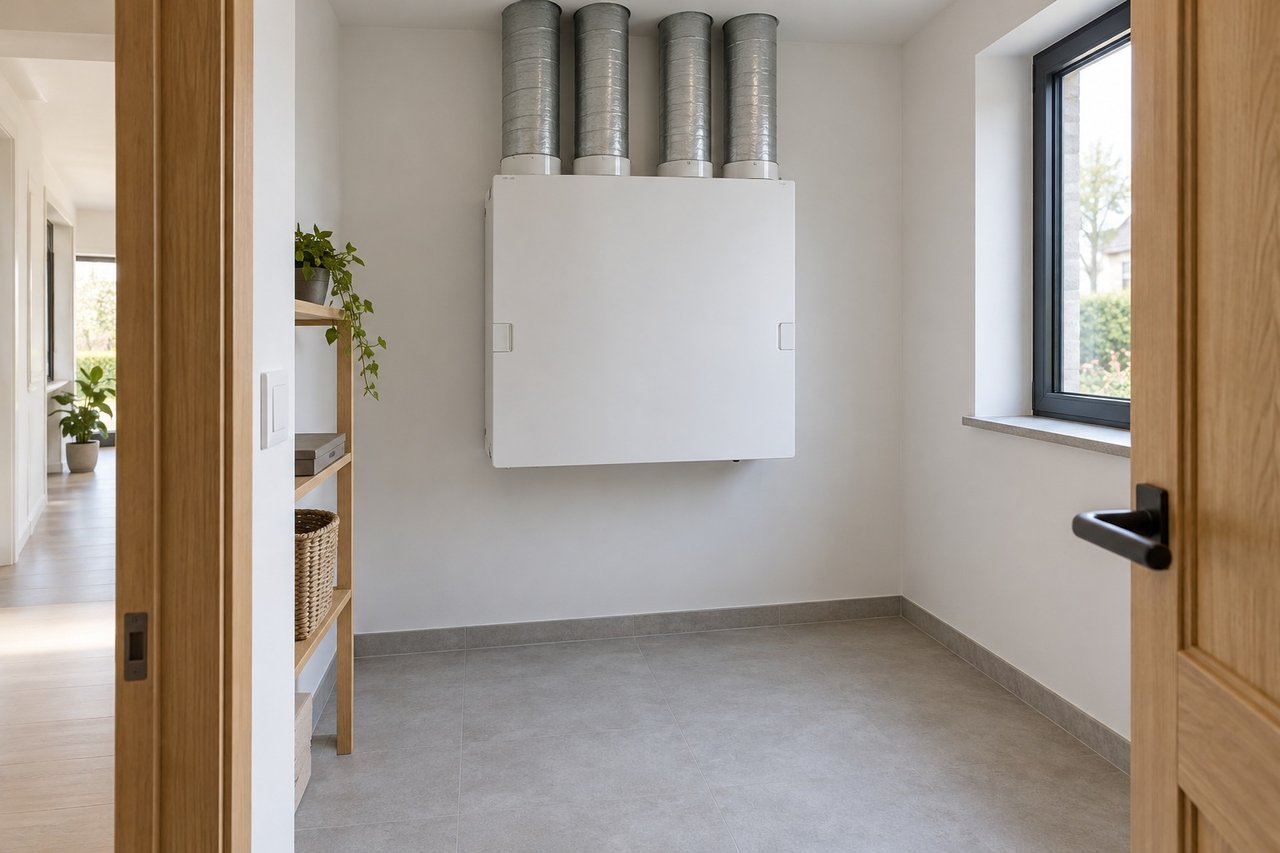
If the noise follows the operation of ventilation, a pump or other equipment, have the installation, its settings and fixings examined before choosing an enclosure. Homegrade describes these sources of noise and vibration. Ask for a targeted diagnosis and its cost before commissioning work.
## How can you obtain genuinely comparable quotations?
Our discussion framework is to have the following specified:
- the identified source, sound paths and uncertainties;
- the building elements or installations treated and the proposed junction details;
- dismantling, finishes and elements to be retained;
- the expected result, its limitations and how it will be verified;
- the cost of diagnosis, work and reinstatement, together with the documents provided.
Compare scopes before amounts. No general price replaces a quotation tailored to the structure and access. Keep findings and construction details so you can describe the work, without promising an automatic increase in value.
If you are also considering a sale, our [guide to valuing your house in Belgium](https://youhome.immo/en/journal/valuing-your-house-belgium/) places building work among the factors to examine when assessing the house's value.
## What are the answers to frequently asked questions?
### Does a new window guarantee more quiet?
No. Have the entire façade and installation details examined. Buildwise notes that replacing glazing can also worsen the acoustic situation.
### Is a ceiling enough to reduce footsteps from upstairs?
Not necessarily. Vibrations can travel through other building elements. Ask which paths the proposal addresses and what will remain audible.
### Should you carry out the work before selling?
Not automatically. Compare the documented cost, the comfort you want and your property timetable. Acoustic diagnosis remains separate from valuation.
To put this choice in the context of your planned sale, [request your valuation report](https://youhome.immo/en/valuation/request/). The technical assessment remains the responsibility of the competent professional.
Practical guides
Sound insulation in a house: which works should you consider?
Voices, footsteps upstairs or road noise: identify the disturbance and sound paths before comparing work suited to your house.