# Why can condensation appear after fitting new windows?
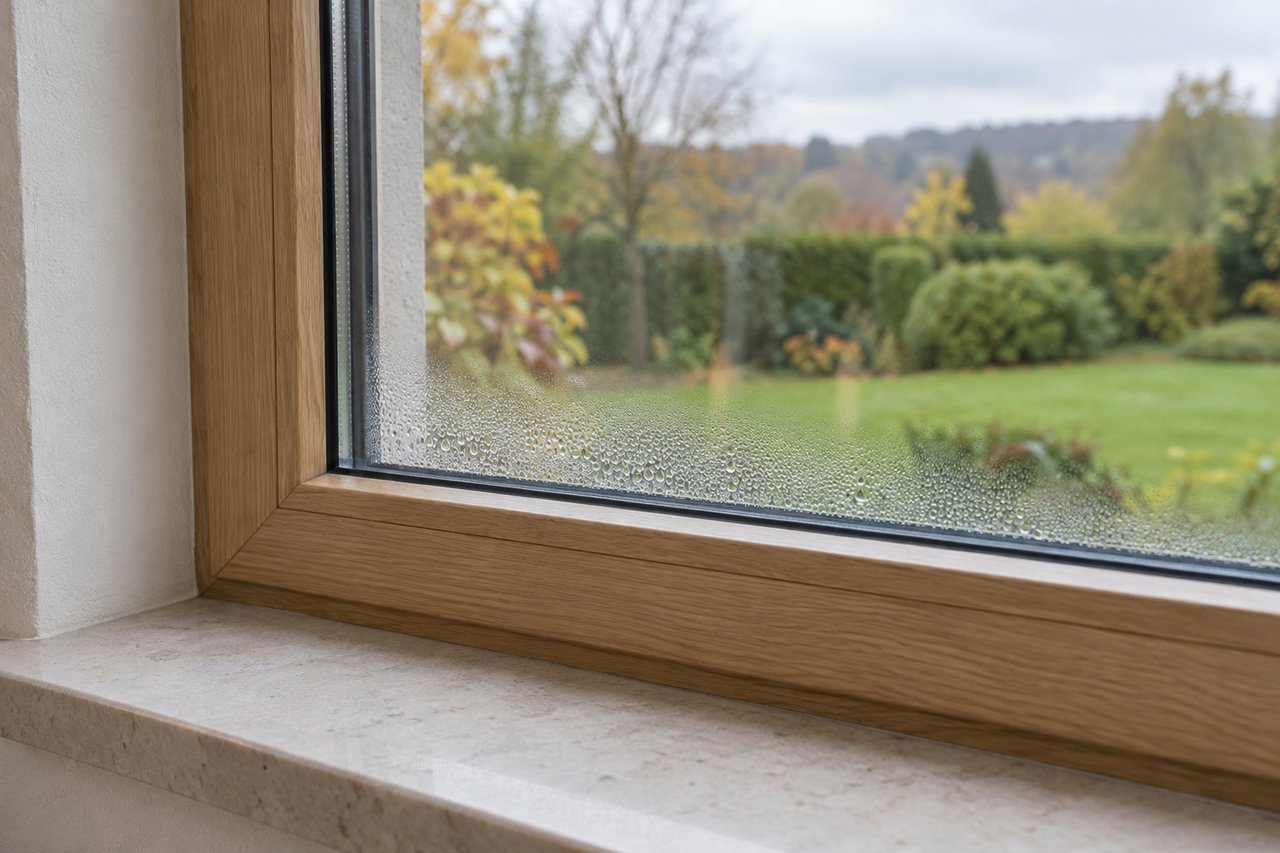
More airtight windows can reduce unintended air entry without the existing ventilation taking over. But condensation appearing after the work does not prove an installation fault. First identify whether it is on the room side, outside or between the panes: different checks are needed.
## What can replacing window frames change?
[SPW Énergie distinguishes air infiltration from controlled ventilation](https://energie.wallonie.be/home/performance-energetique-des-batiments/batiments-residentiels/renovation-walloreno/conseils-pratiques/isoler-et-ventiler-simple-et-indispensable/les-fenetres-et-portes.html) and notes that replacing windows increases airtightness. The previous leaks did not constitute controlled ventilation. Once they are removed, examine how the air is renewed.
Breathing, showering, cooking and drying laundry continue to produce moisture. [Homegrade explains that it can condense on cold surfaces](https://homegrade.brussels/conseils/ventilation-habitation-en-renovation/). Its physical explanations are useful here; its Brussels regulatory provisions are not those of Wallonia.
## Where does the condensation appear?
- On the room side: have moisture, cold surfaces and air renewal examined together.
- Outside: this can occur on well-insulating glazing without constituting a defect in itself.
- Between the panes: have the location clarified and the glazing examined by the installer before drawing conclusions.
[Buildwise explains external condensation](https://www.buildwise.be/fr/help-center/faq/condensation-face-exterieure-vitrage-isolant/) through the cooling of the glass, particularly at night. This explanation does not mean that all water around a window opening is normal. Observe from a safe position, without leaning outside.
## What should you prepare before an intervention?
Our method is to document the symptom before choosing equipment:
- Record the installation date, affected rooms and other work carried out at the same time.
- Photograph the condensation and the edges of the window opening, including an overview and a detail.
- Record the circumstances: waking, showering, cooking, weather and persistence of the phenomenon.
- Gather quotations, invoices, instructions and information about the existing ventilation.
Have the entire air path checked: supply, transfer between rooms and extraction. Do not drill into the window frames or change prescribed settings in an attempt to remedy the symptom. If there is a combustion appliance drawing air from the room, tell the professional before any changes to ventilation.
Persistent marks, running water or mould warrant an examination of the causes. Ask for a quotation distinguishing diagnosis from remedial work: no universal cost describes your house. The diagnosis helps target expenditure rather than replacing equipment without an established cause.
## What are the answers to frequently asked questions?
### Is opening the windows enough?
Occasional airing complements an organised background ventilation system; it does not replace it on its own, as Homegrade explains. No single opening duration is proposed for all houses.
### Must the entire window be replaced?
Not solely because condensation is present. Have its location, the glazing, junctions and ventilation examined before deciding.
### How does this problem fit into a sale project?
Keep the findings and interventions with the building work records. Our guide to [renovating or selling as it stands](https://youhome.immo/en/journal/renovate-or-sell-as-is/) places the decision within your property project. In the Province of Liège, you can [request your valuation report](https://youhome.immo/en/valuation/request/) to position the house in its market, without confusing sale value with a technical diagnosis.
Practical guides
Why can condensation appear after fitting new windows?
Condensation inside or outside: identify its location and have air renewal checked before commissioning further work.