# Cavity wall insulation: what should you check before filling?
Before filling the space behind the bricks, have the wall construction, the condition of the outer leaf and its exposure to water assessed. A cavity, the space between the load-bearing masonry and the outer brickwork, does not alone make injected insulation suitable. Ask for a written conclusion for the façades concerned, followed by a quotation separating investigations, repairs and insulation.
## How do you establish whether the cavity is usable?
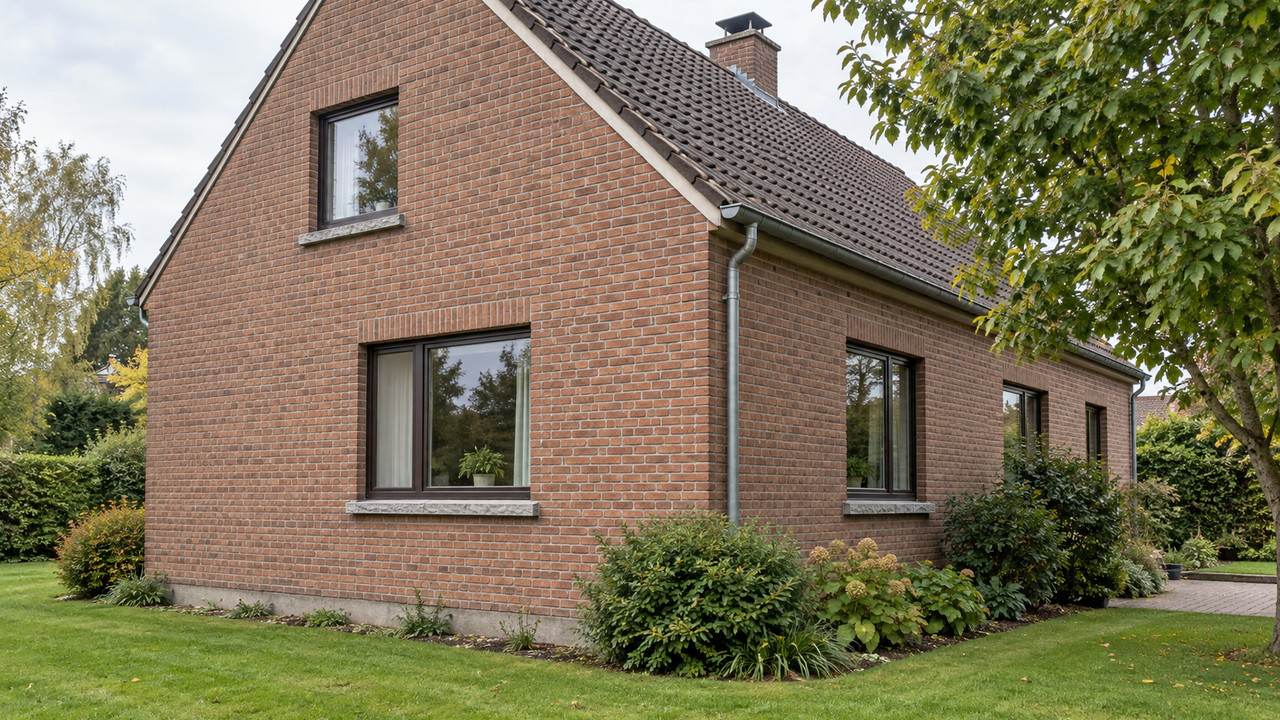
A brick façade does not reveal the wall's construction. Have the available space, any existing insulation and obstructions checked. An extension may differ in construction from the main building: ask where the findings apply.
[Buildwise specifies, among other criteria, a cavity at least 5 cm wide without excessive debris](https://www.buildwise.be/fr/themes/performances-energetiques/techniques-d-isolation-thermique-des-facades/isolation-de-murs-creux/). This technical criterion does not automatically give the go-ahead. The other suitability conditions still need examining.
The [SPW technical factsheet on wall insulation](https://www.wallonie.be/sites/default/files/2019-03/fiche7.pdf), dated February 2013, explains that a camera inspection is often necessary: debris can interrupt the insulation. We use its construction guidance here, not its former grant conditions. Ask for location-labelled photographs and an explanation of the areas inspected and any remaining uncertainties.
## Which defects need addressing before filling?
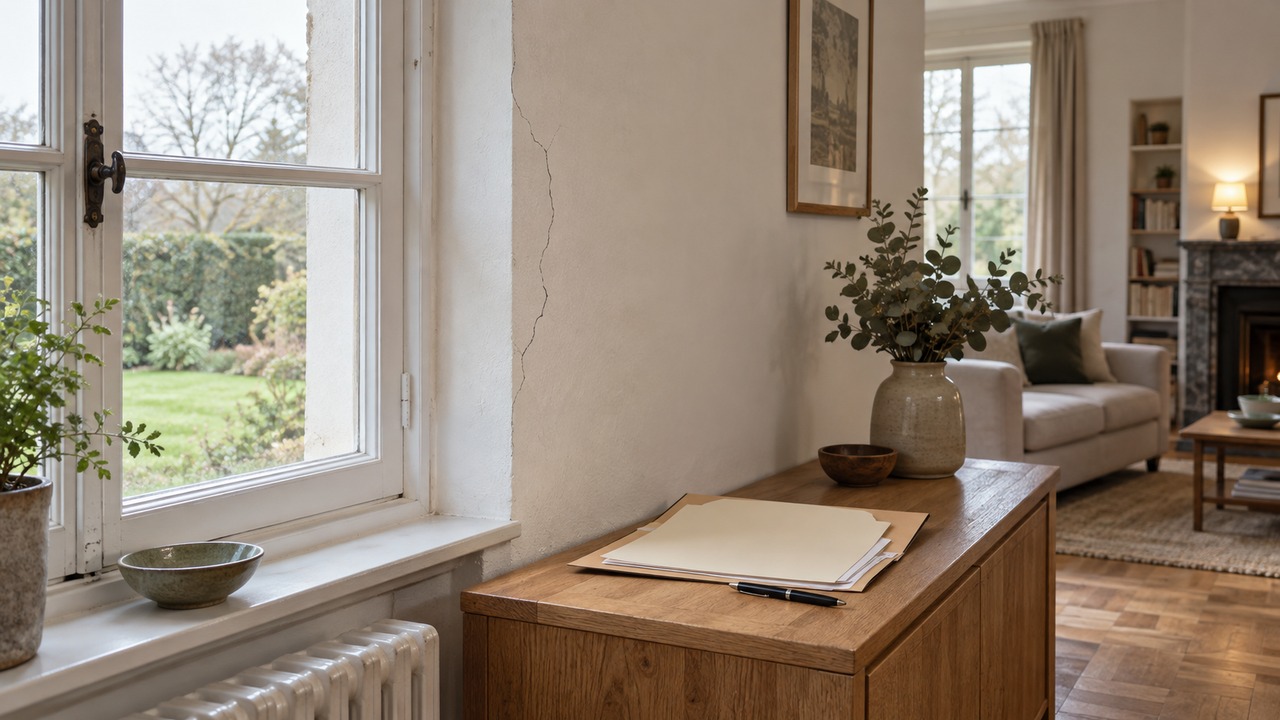
Buildwise calls for checks for frost damage, cracks and vapour-tight external finishes, including certain paints and renders. The cause of cracks must be identified before repairs. Simply filling them does not replace that diagnosis.
A painted façade should therefore not be judged on appearance alone: have the coating identified and its compatibility assessed. Where moisture is present, have its cause investigated before choosing insulation. The SPW factsheet lists resolving moisture problems among the preliminary precautions.
Request a separate quotation for diagnosis and necessary repairs. Without examining the building, no reliable cost can be given. If the substrate is unsuitable, compare an alternative insulation strategy and its full cost rather than proceeding with cavity filling regardless.
## Why assess rain exposure for each façade?
In its [article on managing water ingress risks](https://www.buildwise.be/fr/publications/articles-buildwise/2023-06.03/), Buildwise considers wind-driven rain exposure alongside the permeability of the outer leaf. Height, orientation, terrain and wind zone all play a part in the assessment.
A highly permeable, exposed outer leaf can allow too much water into the cavity. Without specific measures, Buildwise then recommends not proceeding with cavity insulation. Ask the professional to justify and price any protective measures. An observation on a sheltered façade does not, by itself, validate an exposed gable.
## How should these works fit into the renovation?
Mention window replacements, roof works and any planned external insulation. Ask how junctions will be handled: filling the cavity does not automatically resolve every thermal bridge, the areas where heat escapes more easily.
The Buildwise article states that cavity insulation alone does not generally achieve high thermal performance for a façade. External insulation can complement it. Have the stages and their costs compared without assuming guaranteed energy savings.
## Which documents should you request and keep?
To make the proposal verifiable, we recommend a written file containing:
- the selected façades, the treatment boundaries and the reservations still to resolve;
- the observed construction, the available width and location-labelled inspection photographs;
- the condition of the outer leaf, its exposure and the preliminary repairs;
- the proposed system, its technical datasheet and the relevant approval for its use;
- the detailed quotation, the planned checks and the documents supplied after completion.
A product datasheet does not replace an examination of the wall. Keep invoices and evidence of execution too. They help explain the works, but do not guarantee automatic recognition in the EPB certificate or an increase in value.
## What are the answers to frequently asked questions?
### Does a brick façade prove that the wall has a cavity?
No. Have the actual construction checked, including any differences between parts of the house.
### Is a 5 cm cavity enough to make a decision?
No. This Buildwise criterion comes in addition to checks on cleanliness, outer brickwork, coatings and exposure. It does not replace them.
### Can injected insulation resolve existing damp?
Do not treat it as a remedy for an unknown cause. First request a diagnosis and a cost breakdown for the necessary repairs.
### Should you carry out these works before selling?
Technical feasibility and relevance to your sale are two different questions. Our guide to [renovating or selling as it stands](https://youhome.immo/journal/renover-ou-vendre-en-letat/) helps structure that comparison without guaranteeing a financial return on the works.
In the Province of Liège, our method compares the house's condition, its documents and market references. To put your plans in context, you can [request your valuation report](https://youhome.immo/en/valuation/request/). Whether cavity filling is suitable remains a matter for the professional examining the walls.
Practical guides
Cavity wall insulation: what should you check before filling?
A cavity alone does not make injected insulation suitable. Have the walls, moisture and rain exposure assessed before choosing insulation.