# Façade crack: what observations should you prepare before consulting a specialist?
Before filling a crack, keep dated photographs, its location and records of known work. These details prepare a consultation with an architect or structural engineering practice, without enabling a remote diagnosis. This preparation must never delay necessary action to make the situation safe.
## How can you document the crack without taking risks?
Our preparation advice: take photographs only from a safe place, without a ladder or approaching any element that appears unstable. Keep the originals and give each set a date:
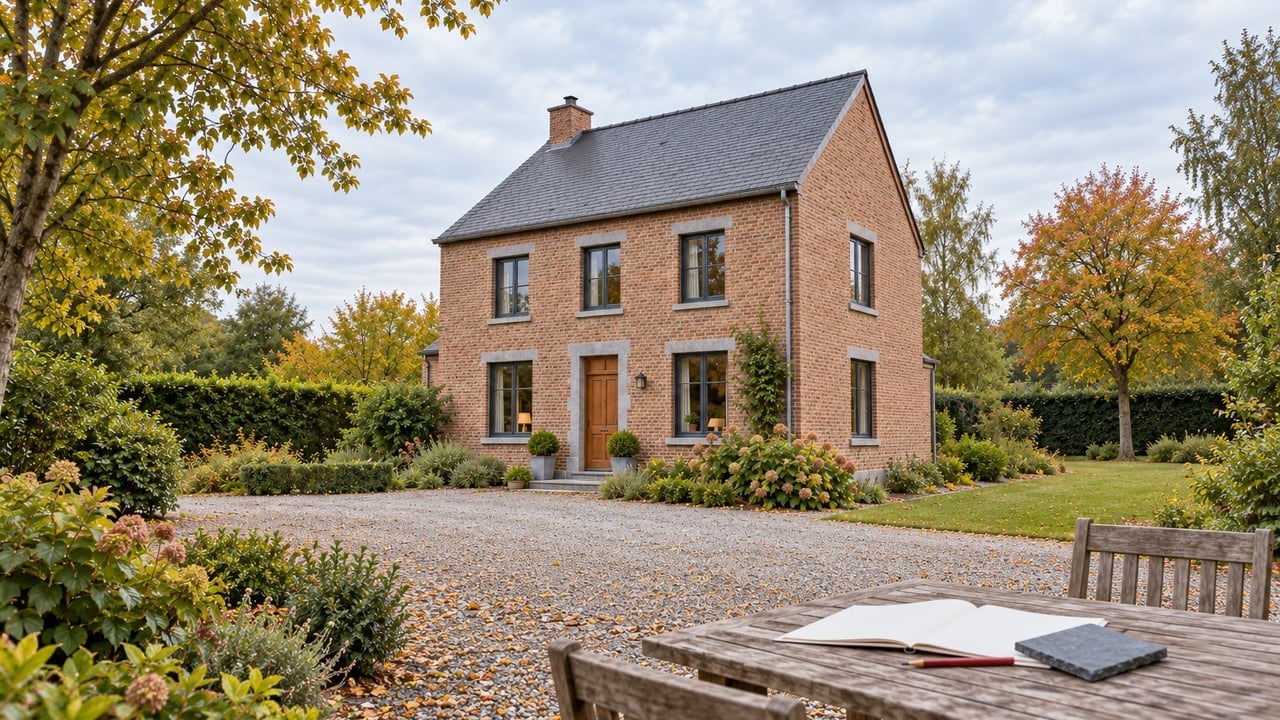
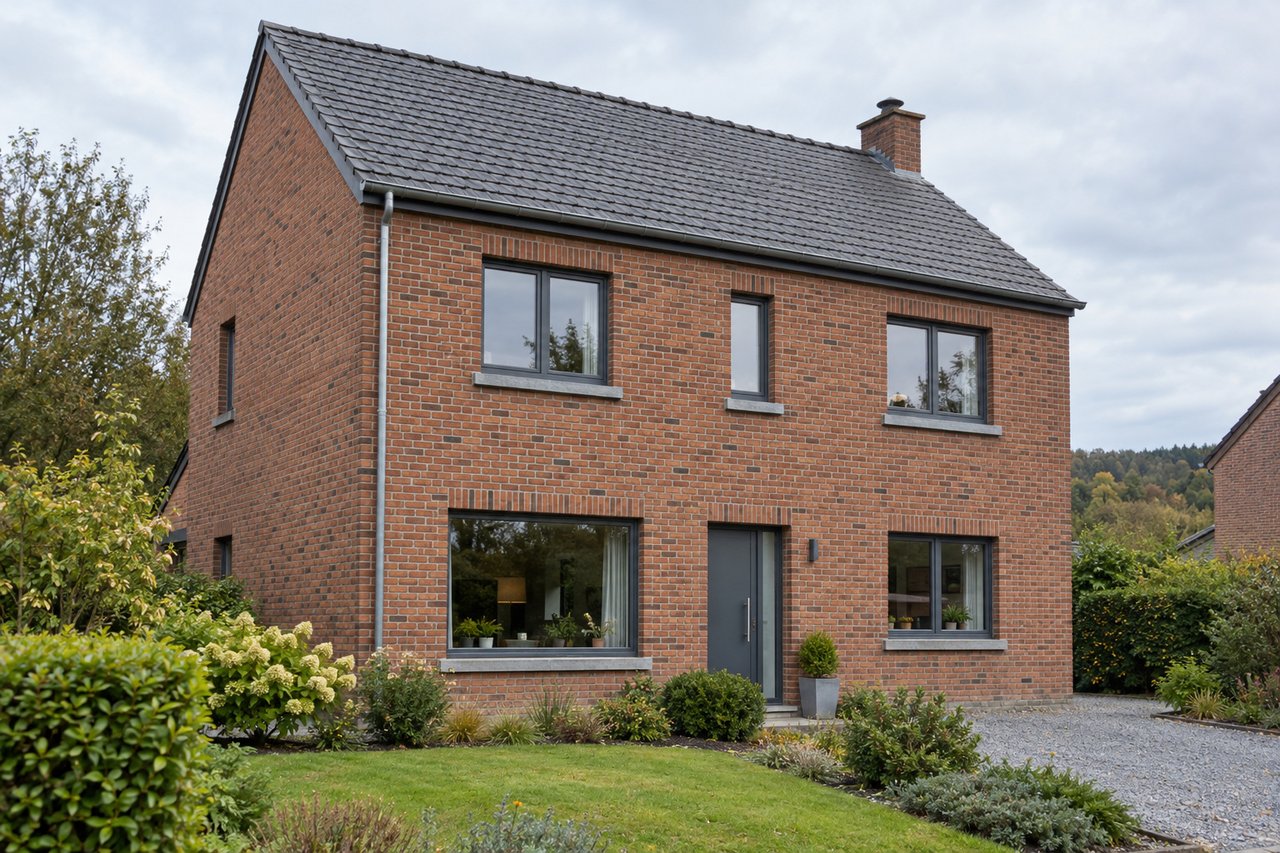
- A view of the whole façade to locate the area.
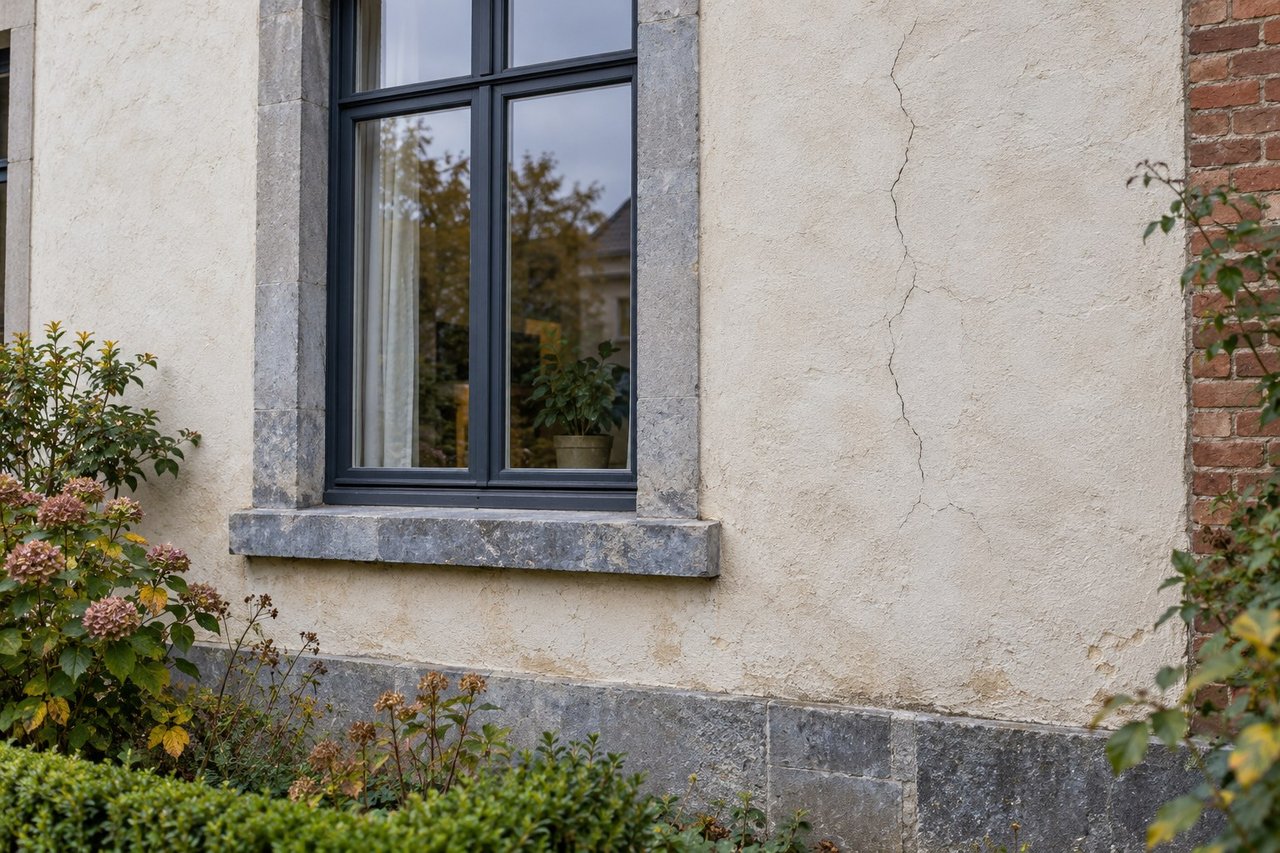
- A view of the affected section with a window or corner as a reference point.
- A detail of the visible crack pattern, without trying to infer its cause.
In its [introduction to RenoCheck](https://www.buildwise.be/fr/publications/articles-buildwise/2023-02.09/), Buildwise explains that notes and photographs taken on site document the building's condition before renovation. Your file prepares that examination; it does not replace it.
## What should you record about the history and building work?
Distinguish the first observation from a known date of appearance. 'Noticed this week' does not mean 'appeared this week'. Record what you know and leave its age unknown if necessary.
Gather available plans, old photographs, invoices and reports. Identify known repairs or alterations without attributing the crack to them. An old photograph that lacks detail proves neither the absence nor the stability of the crack.
An illustrative example: you notice a crack after cleaning. An old photograph already shows a line, but without comparable detail. This does not prove that cleaning caused it or that it has not changed.
## What should you ask the professional before a repair?
Buildwise presents cracks and deformation as indicators for [assessing the existing structural shell](https://www.buildwise.be/fr/publications/articles-buildwise/2022-01.07/). The organisation recommends considering any stabilisation work under the guidance of an architect or engineering practice.
Request a clear scope: areas examined, investigations required, precautions in the meantime and written conclusions with their limitations. Obtain separate costs for the examination and proposed work. No reliable repair budget can be inferred from a photograph alone.
## How can you also prepare a sale?
Keep observations, the report and work actually completed together. Our guide to [documents for selling a house](https://youhome.immo/en/journal/documents-selling-house-belgium/) places these records within the overall file. For a sale in the Province of Liège, you can [request your valuation report](https://youhome.immo/en/valuation/request/). Technical advice remains the specialist's responsibility.
## What are the answers to frequently asked questions?
### Is a photograph enough to reach a conclusion about stability?
No. It documents an observation without replacing examination of the building.
### Should you fill the crack before the consultation?
Keep the observations first and seek advice. Never delay necessary safety action to photograph the crack.
### Does a repainted façade prove that the problem is resolved?
No. Distinguish the finish from the specialist's conclusions and documented work.
Practical guides
Façade crack: what observations should you prepare before consulting a specialist?
Photographs, location, history and building work records: prepare useful information for a specialist's examination of a façade crack.