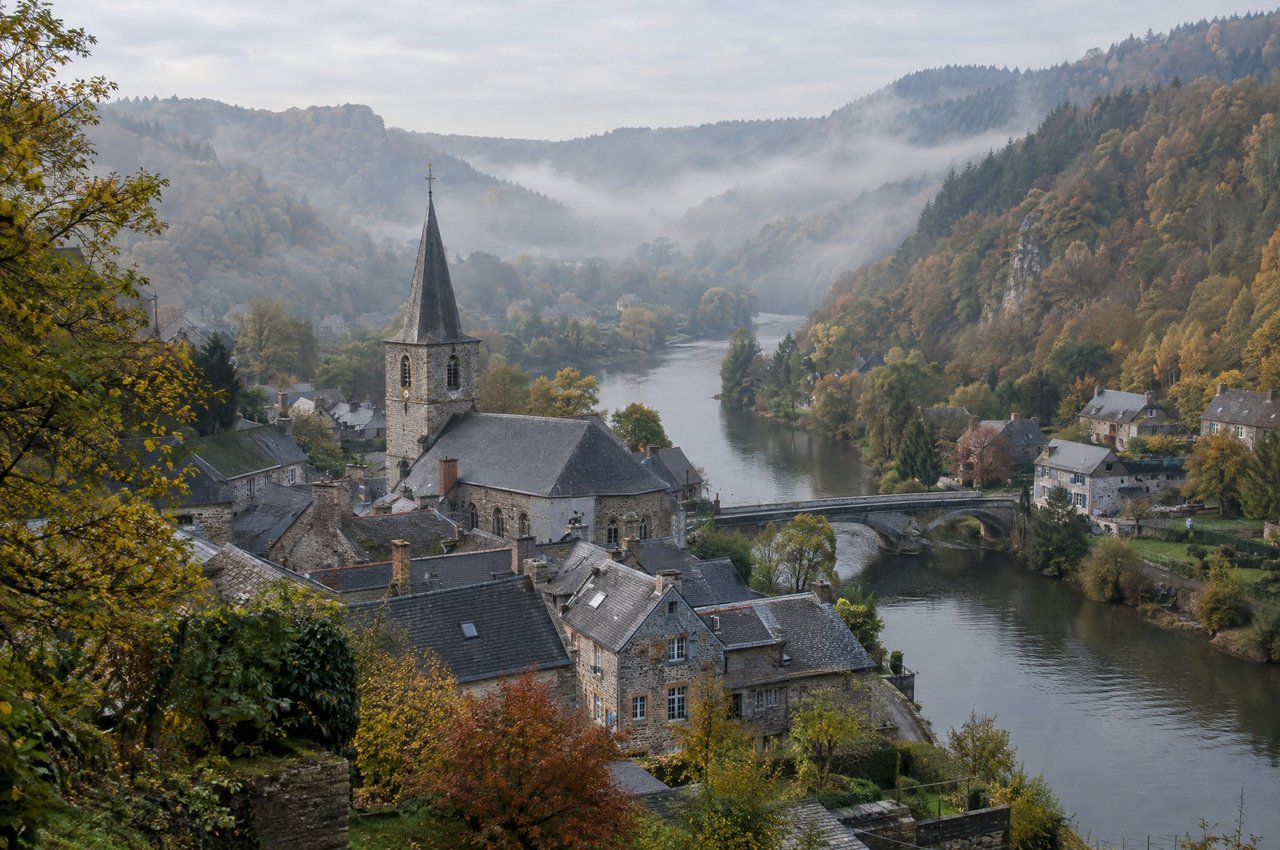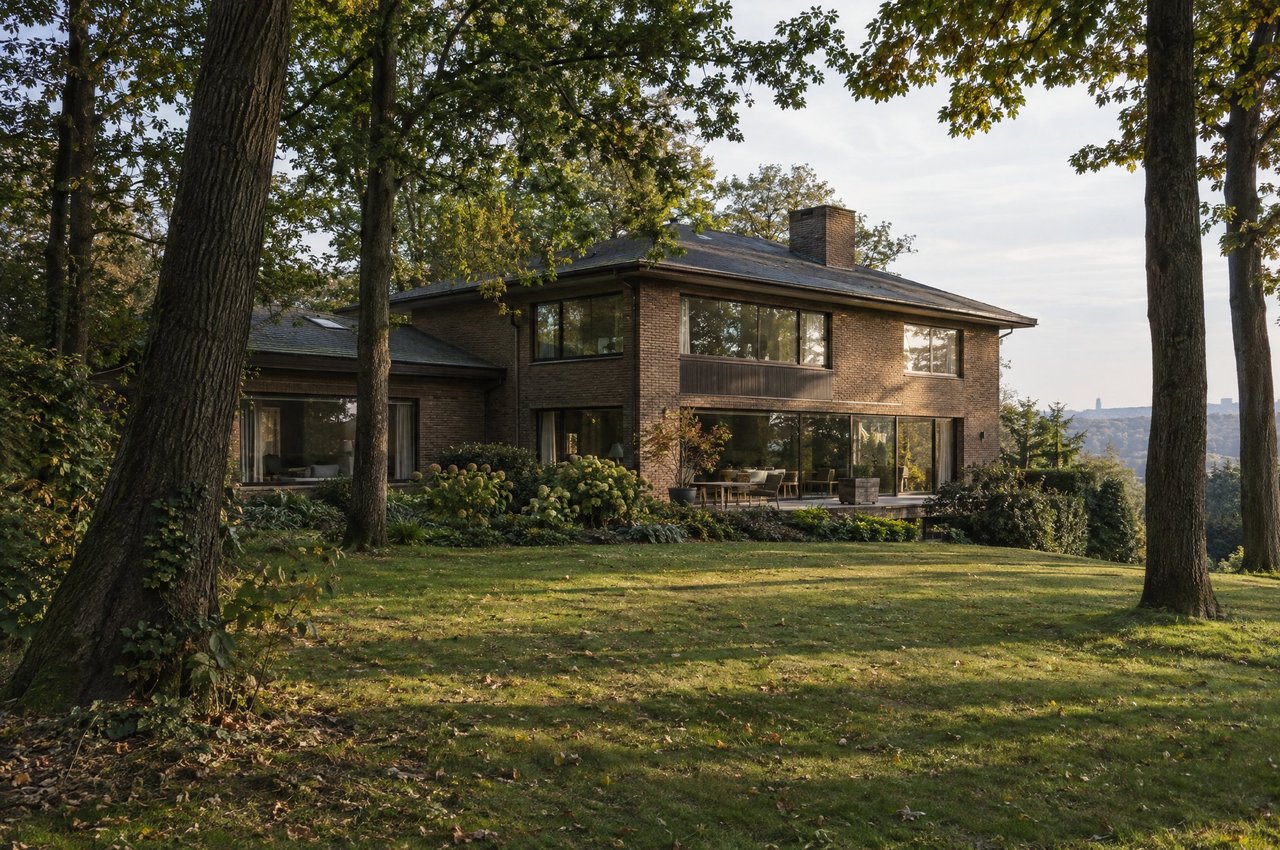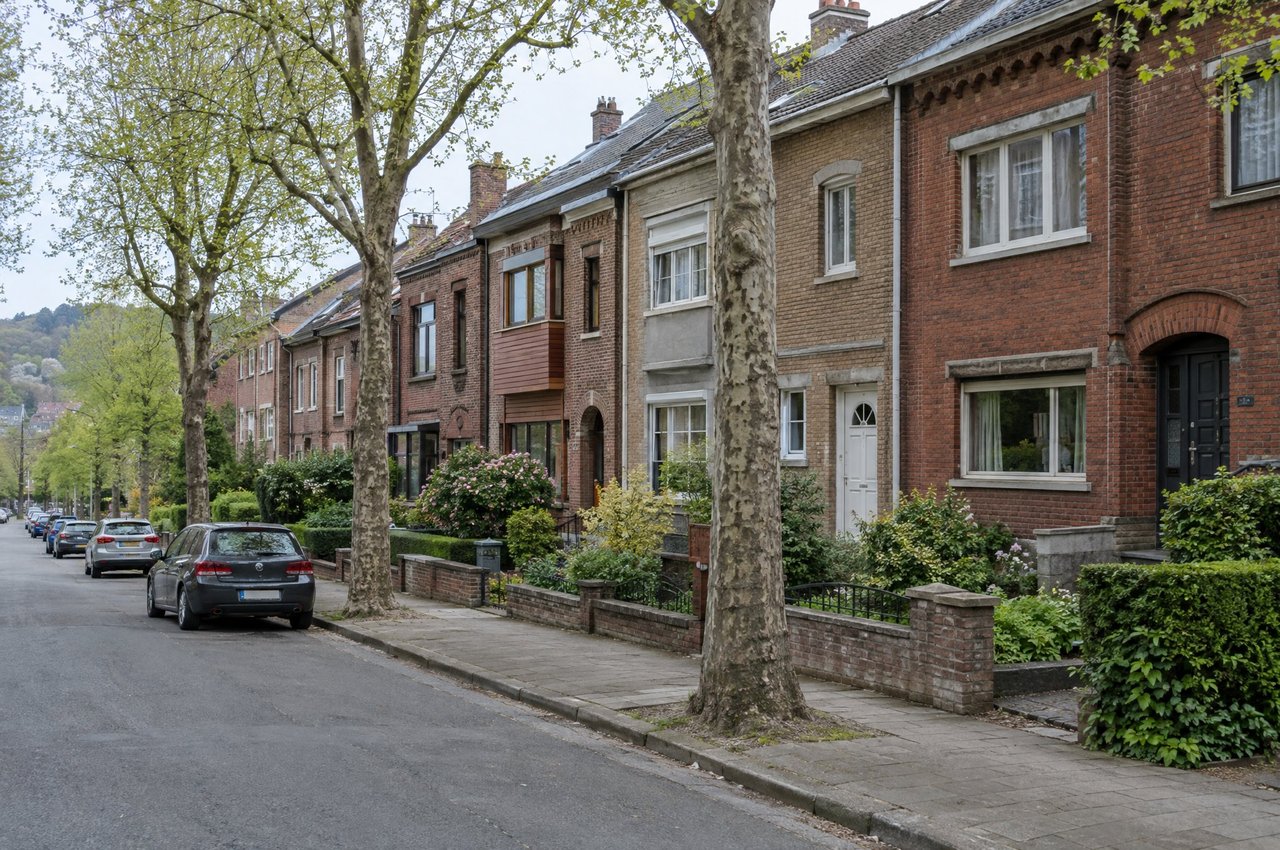
The Liège property market has very specific characteristics that are worth understanding when you are thinking of selling. Between historic districts and areas undergoing rapid change, between mansion houses and unusual properties, the Cité ardente offers a diversity that directly affects prices and the time it takes to sell. For owners considering a sale in the coming months, understanding these dynamics is essential to defend the right price and sell on good terms.
Understanding the Liège property market in 2026
The Liège market is still characterised by a wide variety of properties and neighbourhoods with very different profiles. This diversity means that two similar properties can show significant price differences depending on their location, condition and presentation.
The sought-after neighbourhoods and their characteristics
The city of Liège is made up of areas with distinct profiles, each attracting buyers with specific expectations.
The central and historic districts see sustained demand for character homes:
- Outremeuse: sought after for its authenticity and traditional houses
- City centre (Carré, Féronstrée): appreciated for its cultural life and unusual properties
- Cointe and Observatoire: favoured for its prestige properties and greenery
- Guillemins: changing fast, with renovated properties and good transport links
The surrounding municipalities offer more space and appeal to families:
- Angleur, Chênée, Grivegnée: sought after for family homes with gardens
- Embourg, Beyne-Heusay: appreciated for their quiet residential setting
- Herstal, Saint-Nicolas: more affordable in terms of price
| Area | Dominant type of property | Buyer profile | Price range (3-4 bedroom house) |
|---|---|---|---|
| Cointe/Observatoire | Prestige properties, villas | Executives, professionals | €450,000 to €750,000 |
| Outremeuse | Character homes | Couples, investors | €280,000 to €450,000 |
| Guillemins | Recent renovations, lofts | Young households, city dwellers | €320,000 to €480,000 |
| Surrounding municipalities | Detached family houses | Families with children | €250,000 to €400,000 |
Price trends and current developments
The Liège property market is moving unevenly from one area to another. In some neighbourhoods prices continue to rise, particularly those benefiting from urban projects or easier access to transport. Other areas remain stable or see more selective demand.
Factors that push prices up:
- Proximity to the Guillemins hub and transport routes
- Architectural quality and authentic character of the property
- Recent renovation with energy compliance
- Outdoor space (garden, terrace, courtyard)
- Peace and greenery in residential areas
Points that can hold a sale back:
- Poor energy performance (EPB E, F or G)
- Major renovation works ahead
- No parking in the central districts
- Unresolved planning issues
- Careless presentation when the property comes to market
The City of Liège planning department provides useful information on permits and the regulatory constraints specific to each area.
Preparing to sell your property in Liège: the essential steps
Selling a property in Liège requires structured preparation. This avoids the common mistakes that weaken the price or needlessly drag out the timescale.
Gathering the essential administrative documents
Before marketing begins, several documents must be gathered so that potential buyers can examine the property in full transparency.
Mandatory documents for the sale:
- A valid EPB certificate (Energy Performance of Buildings)
- A certified extract from the soil condition database (BDES), mandatory for every sale
- Cadastral plans and title deed
- Planning permission for the works carried out
- Co-ownership regulations where applicable
- The electrical inspection report, mandatory for an installation dating from before October 1981 that has never been inspected
- Minutes of the general meeting in the case of a co-ownership
These documents build trust from the very first viewings and make negotiations much easier. An incomplete file or unresolved situations can cause blockages when the sales agreement is signed.
Setting the right sale price
The valuation is the most strategic stage of the process. A price that is too high puts off serious buyers and prolongs the time on the market, while an undervalued price loses tens of thousands of euros.
To set a consistent price on the Liège property market, several factors need to be analysed:
- Recent comparisons: actual sales in the same neighbourhood (not just listings)
- Condition of the property: standard of finish, compliance, works needed
- Specific features of the property: character, volumes, light, outdoor space
- Local context: neighbourhood dynamics, urban projects, accessibility
A well-reasoned property valuation is more than a figure: it rests on a detailed analysis of the local market and makes it possible to defend the price during negotiations.
Enhancing the property before marketing
The presentation of the property directly influences how buyers perceive its value. Two similar properties can attract very different offers depending on the quality of their presentation.
Practical steps to increase appeal:
- Tidying and decluttering the rooms
- Minor refreshing works (paint, grouting, lighting)
- Putting the garden and outdoor areas in order
- Repairing visible defects (cracks, handles, tiles)
- Maximising light (light curtains, clean windows)
These modest steps often bring a significant return in terms of the final sale price and the speed of sale.
Choosing your marketing strategy
Once the property is ready, the question of how to sell arises. Each option has advantages and constraints that should be clearly understood.
Selling alone or with a professional
| Criterion | Private sale | Sale through a specialist agency |
|---|---|---|
| Control of the price | Risk of undervaluation | Reasoned, defensible valuation |
| Visibility | Limited to portals | Qualified network and precise targeting |
| Buyer qualification | Not checked | Selection and financial checks |
| Administration | Borne by the seller | Full support |
| Negotiation | Emotional | Detachment and strategy |
| Time saved | Major time commitment | Fully delegated |
For character homes or prestige properties on the Liège property market, working with a professional makes it possible to showcase their specific strengths properly and attract qualified buyers.
Adapting the strategy to the type of property
Not all properties sell in the same way. A classic family home in a surrounding municipality does not call for the same approach as a mansion house in Cointe or a renovated loft near Guillemins.
For a character home or an unusual property:
- Highlighting the character and history of the place
- Storytelling around the architectural features
- Targeting buyers who appreciate heritage
- Careful presentation that brings out the volumes and the light
For a prestige property:
- Discretion and confidentiality in the marketing
- Rigorous selection of potential buyers
- Complete, professional documentation
- Personal support throughout the process
For a classic family home:
- Highlighting practicality and the living environment
- Access to schools, shops and transport
- Clarity on the condition and any works
- Price positioning consistent with the local market
Full sales support helps structure this strategy around the exact profile of the property and tailor the communication to what potential buyers expect.
Managing viewings and negotiations
The viewing phase is a key moment when the perception of the property takes concrete shape. Rigorous organisation maximises the chances of receiving serious offers.
Organising effective viewings
Each viewing should allow buyers to picture themselves calmly in the property.
Good practice for viewings:
- Well-spaced scheduling to avoid fatigue and maintain the quality of the welcome
- A discreet presence to answer questions without pressure
- Natural staging: light, fresh air, tidiness
- Documents to hand: plans, inspection reports, invoices for works
- Flexible hours to fit around buyers' constraints
Serious buyers generally want several viewings and ask precise questions about technical aspects, running costs, works carried out and the surroundings.
Negotiating methodically
Negotiation is often a delicate moment for sellers. Emotional attachment to the property can complicate discussions, which is why a structured approach matters.
Principles of a balanced negotiation:
- Qualify the offers: check financial capacity before any discussion
- Understand the motivations: identify what really matters to the buyer
- Justify the price: rely on factual, comparable evidence
- Stay open: distinguish legitimate requests from systematic attempts at discounts
- Set clear limits: decide in advance on the minimum acceptable price
On the Liège property market, negotiating margins generally range between 3% and 8% depending on the type of property and the market context. A well-presented, accurately valued property with a complete file naturally limits requests for large discounts.
Completing the sale securely
Once agreement has been reached with a buyer, several administrative and legal steps must be followed to secure the transaction.
The sales agreement
The sales agreement (compromis) is the formal commitment between seller and buyer. This legal document sets out the terms of the sale and protects both parties.
Essential elements of the sales agreement:
- Full identity of the parties
- Precise description of the property and its outbuildings
- Sale price and payment terms
- Conditions precedent (obtaining the loan, any permits)
- Deadline for signing before the notary
- Penalties for withdrawal without valid reason
The sales agreement is generally signed in the presence of the notary or the estate agent. It is legally binding on the parties and involves the payment of a deposit (generally 10% of the price).
Common conditions precedent
Several conditions can be written into the sales agreement to protect the buyer or the seller:
- Obtaining the mortgage: the buyer generally has 4 to 6 weeks
- No hidden easements: checks with the land registry and the planning department
- Planning compliance: confirmation of permits for recent construction
- Results of specific surveys: structural, damp and roof assessments
If a condition precedent is not met within the deadline, the sales agreement lapses and the deposit is returned to the buyer.
Signing before the notary
Signing the deed of sale before the notary makes the transfer of ownership final. This generally takes place 2 to 3 months after the sales agreement.
Preparing the notarial deed:
- The notary drafts the deed of sale
- Certificates and attestations are checked
- The notary's costs and registration duties are calculated
- Charges and taxes are apportioned (property tax (précompte immobilier), EPB)
- Signing in the presence of both parties
- Payment of the balance and handover of the keys
Notary's costs in Wallonia (registration duties, fees, administrative costs) are paid by the buyer. For the seller, costs are generally limited to the release of the mortgage if the property was financed.
Specific features and points of attention for property in Liège
Selling a property in Liège means taking into account certain local specifics that can affect the process and the timescale.
Energy and planning issues
Energy performance weighs ever more heavily in buying decisions. A property with a poor EPB rating requires either prior works or a price adjustment that reflects the buyer's future investment.
The City of Liège housing department provides information on renovation grants and local initiatives.
Effect of the EPB rating on marketing:
- EPB A-B: a strong selling point, supporting the price
- EPB C-D: acceptable if the price reflects reality
- EPB E-F-G: the price needs adjusting or works should be considered
For properties in protected or listed areas, planning constraints must be clearly explained to potential buyers to avoid misunderstandings.
Handling complex situations
Some sale situations call for enhanced support:
Estate: sale of a family property after a death, with coordination between heirs and compliance with tax deadlines.
Separation: division of a jointly owned property, requiring agreement on price, timetable and the split of the proceeds.
Purchase dependent on a sale: coordinating two transactions to avoid cash-flow gaps.
Let property: honouring the current lease or negotiating early vacant possession.
These situations require precise coordination of the steps and clear communication between all the parties involved.
Understanding realistic timescales
The time it takes to sell varies considerably with the type of property, its price and its presentation.
| Type of property | Average timescale | Factors that speed things up |
|---|---|---|
| Recent, well-located flat | 2-4 months | Consistent price, decent EPB rating, parking |
| Classic family home | 3-6 months | Impeccable condition, sought-after neighbourhood |
| Character home | 4-8 months | Careful presentation, storytelling |
| Prestige property | 6-12 months | Discretion, precise targeting, high-end presentation |
A property that is accurately valued, well presented and professionally supported generally sells at the lower end of these ranges. Conversely, an overpriced or poorly prepared property can stay on the market for more than a year, which ends up weakening its perceived value.
Avoiding common mistakes when selling
Certain mistakes come up regularly and jeopardise the success of a sale. Identifying them makes it possible to avoid them.
Pricing mistakes
Overvaluing the property out of emotional attachment: memories and personal investment do not translate directly into market value.
Ignoring recent comparable sales: relying only on old listings or informal estimates distorts judgement.
Not taking the real condition into account: playing down the works needed or visible defects leads to disappointment at viewings.
Presentation mistakes
Neglecting the first impression: the façade, entrance and main rooms must be impeccable from the first viewings.
Leaving too many personal belongings: family photos, collections and clutter stop buyers picturing themselves in the property.
Underestimating the importance of photos: on the Liège property market, as elsewhere, 90% of searches start online.
Communication mistakes
Not being available enough for viewings: limiting time slots reduces the number of potential buyers.
Providing incomplete information: a lack of precise answers on running costs, works or planning breeds mistrust.
Reacting emotionally to offers: taking an offer below the asking price personally weakens the negotiation.
Calendar and timing: selling at the best moment
When a property comes to market affects how quickly it sells and the price achieved. Although the Liège property market remains active all year round, some periods are more favourable.
Seasonality of the Liège market
Spring (March-May): the most dynamic period, with searches picking up after the winter, gardens at their best and optimal light.
Summer (June-August): a slowdown in July and August but good volumes in June, with buyers often more decisive.
Autumn (September-November): a strong pick-up in September, with a wish to conclude before the festive season.
Winter (December-February): a quieter market but highly motivated buyers and less competition between properties.
The best strategy is often to launch the marketing at the end of winter to make the most of the spring momentum.
Coordinating sale and purchase
For owners selling in order to buy again, coordinating the timetables is a major challenge. There are three main scenarios:
- Sell first: maximum financial security, but temporary accommodation is needed
- Buy first: a comfortable timetable, but the risk of a double loan or pressure to sell quickly
- Synchronise the two: ideal but complex, requiring well-negotiated conditions precedent
A detailed seller's guide helps structure this thinking and anticipate the points to watch.
Selling a property on the Liège property market requires rigorous preparation, an accurate valuation and a strategy suited to the exact profile of the property. By understanding the specifics of the local market, preparing the property carefully and handling viewings and negotiations professionally, you maximise your chances of achieving the right price within a reasonable time. Whether you are selling a character home in Outremeuse, a prestige property in Cointe or a family home in the surrounding municipalities, YOUHOME supports you with method and discretion to turn your sale into a calm and successful transition.