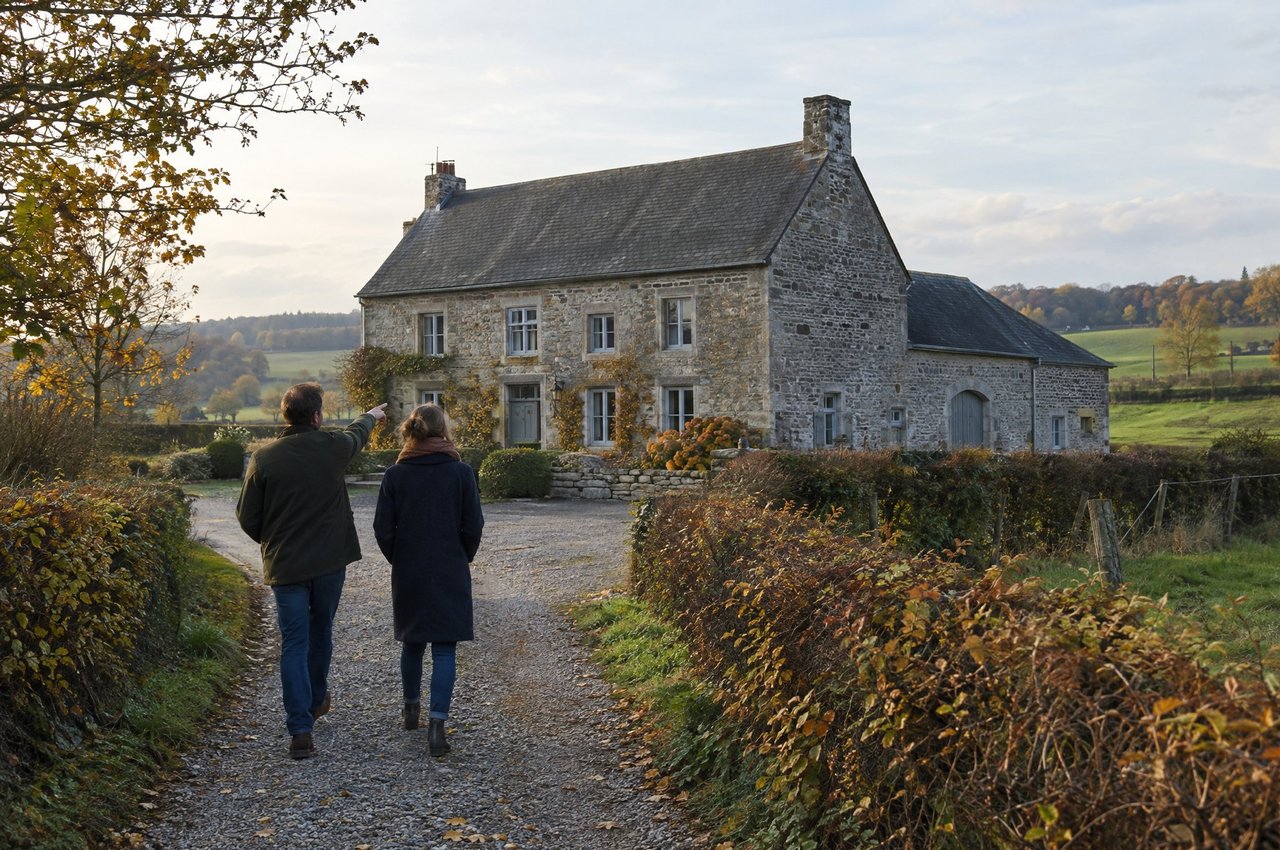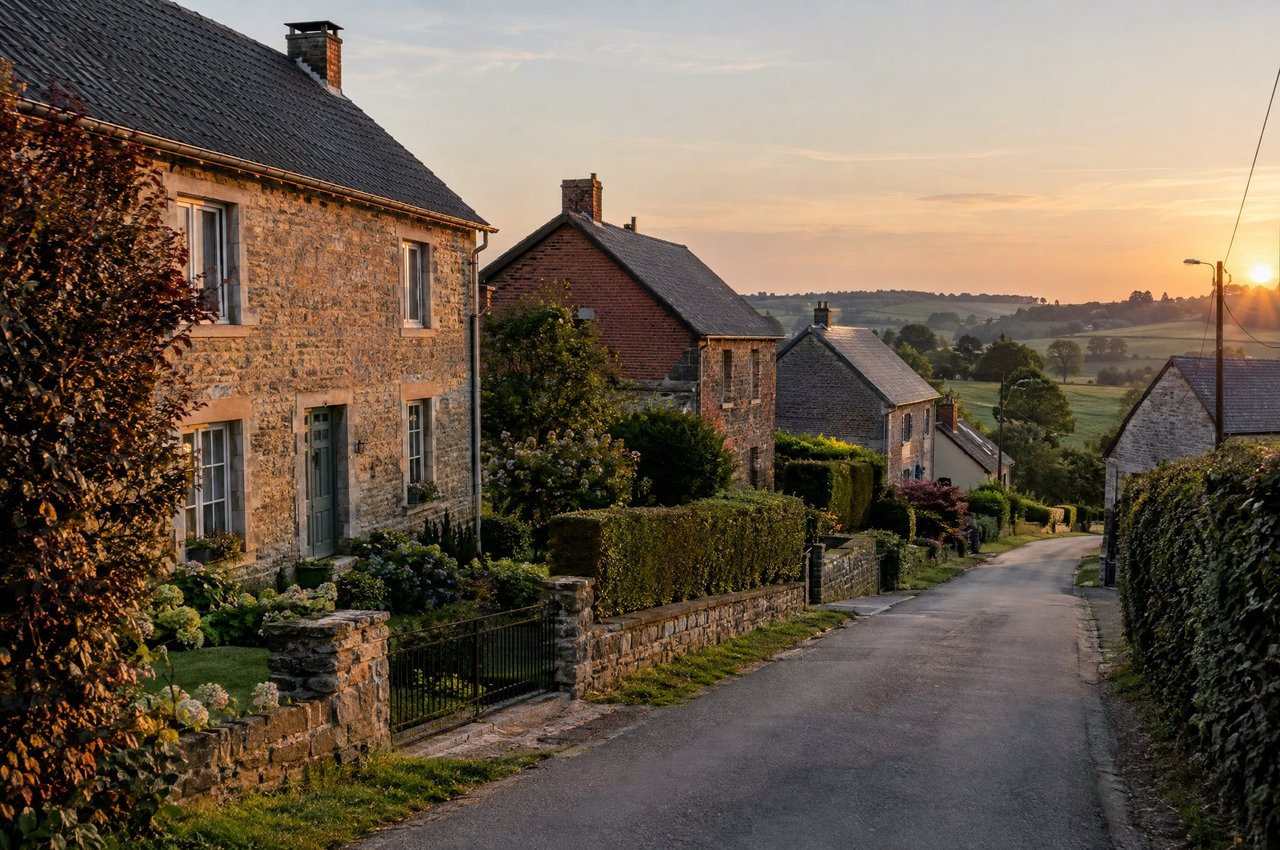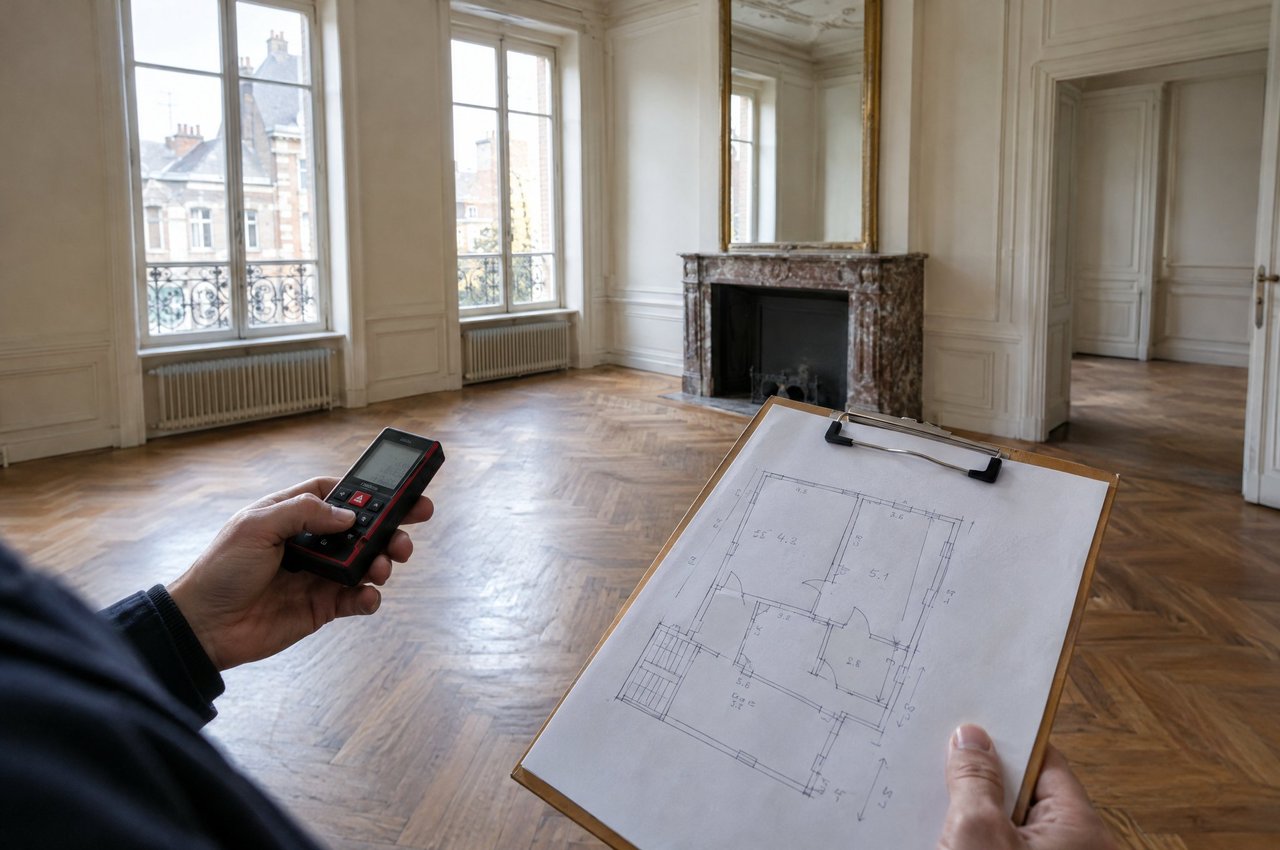
Selling a character home calls for a different approach from selling a standard property. These homes have a soul, a history, fine materials and generous volumes that do not appeal to everyone. They attract a narrow but passionate audience, ready to pay the right price if the property is properly presented and positioned. For an owner wishing to put this kind of property on the market in Wallonia, particularly in the provinces of Liège, Namur or Luxembourg, the question is not simply finding a buyer, but finding the right one: someone who will recognise the value of the place and commit to the transaction with confidence.
Why a character home for sale needs a specific strategy
A character home does not sell like a new flat or a contemporary villa. These properties appeal through their authenticity, their original materials, their sometimes unusual location or their architectural charm. But those same strengths can become obstacles if the property is not presented properly.
The particularities that influence the sale:
- A narrower audience, often looking for a life project
- Renovation or maintenance works that are sometimes needed
- Higher energy costs, reflected in the EPB certificate
- Strong emotional value that can skew the valuation
- Buyers who take time to think and compare
Owners frequently overestimate the value of their property because they have invested time, money or memories in it. Conversely, some underestimate how rare their property is and sell their home too cheaply through lack of knowledge of the local market. In both cases the transaction goes badly: either the property stays on the market too long, or it sells below its potential.
The importance of an accurate, reasoned valuation
To sell well, you need to start from a price consistent with the current market. That does not mean selling as low as possible, but setting a defensible price based on objective criteria and recent comparables in the area.
A good valuation takes into account several factors specific to character homes: the quality of the materials, the structural condition, planning compliance, any easements, the exact location, the potential for alterations and local appeal. A difference of 10 to 15% in the price can make the difference between a quick sale and a property that stagnates for months.
| Valuation criterion | Effect on price | Point to watch |
|---|---|---|
| Condition of the roof and roof structure | Very high | Can justify a reduction of 15 to 30% if heavy renovation is needed |
| Quality of the original joinery | High | Buyers value authenticity but demand weathertightness |
| Energy performance (EPB) | Moderate to high | An EPB F or G rating can deter some buyers, but not all |
| Planning compliance | Critical | Any irregularity must be clarified from the outset |
| Charm and architectural character | Subjective but decisive | Justifies a premium if well showcased |
A professional property valuation sets a realistic framework from the outset and avoids price adjustments during marketing, which undermine the seller's credibility.
Preparing the property before it goes on sale
Once the price is set, preparing the property becomes the most strategic step. A character home for sale must be presented so that a potential buyer can picture themselves living there while immediately sensing the quality of the place.
To carry out works or not: how to decide
Many sellers wonder whether they should carry out works before selling. The answer depends on the type of works and the buyer profile you are targeting.
Works recommended before the sale:
- Thorough cleaning, decluttering of rooms and outbuildings
- Small visible repairs (handles, switches, seals, flaking paint)
- Upkeep of the garden, grounds and driveway
- Bringing the electrics up to standard if there is an obvious risk
- Removing superficial signs of damp
Works to avoid or to calibrate carefully:
- Complete renovation of the kitchen or bathroom (buyers often prefer to choose their own)
- Major insulation or new window frames if the investment will not be reflected in the sale price
- Overly personal decorative works that may not appeal
- Complex structural work without prior technical advice
A clean, tidy, bright and functional property will always sell better than one left untouched or cluttered. That does not mean transforming the house, but showing it at its best without hiding its real defects.
Putting together a complete, transparent file
Buyers of character homes are often well informed and demanding. They want to understand what they are buying, anticipate any works and be sure there will be no unpleasant surprises after signing the sales agreement.
A complete file includes:
- A valid EPB certificate
- The soil certificate (or proof of application if needed)
- Cadastral plans and any planning permissions
- Invoices for recent works (roof, heating, electrics, wastewater treatment)
- The co-ownership regulations where applicable
- Any survey reports (damp, structure, oil tank)
This file should be available from the first viewings. It builds trust, speeds up decisions and limits requests for price reductions based on uncertainty.
Choosing the right marketing strategy
Sell alone or through an estate agency? For a character home for sale, this question deserves a nuanced answer.
Selling alone: advantages and limits
Selling without an intermediary saves agency fees, which generally range between 3 and 5% of the sale price. That can seem attractive, especially for large sums.
But selling alone also means:
- Handling the listings, photos and descriptions yourself
- Answering every call, often from unqualified enquirers
- Organising viewings, sometimes with the merely curious
- Negotiating alone against buyers who are advised
- Putting together the sales file yourself
- Following up through to signing before the notary
For an owner who is available, organised and comfortable negotiating, this option can work. But it carries several risks: unqualified viewings, wasted time, lack of discretion, pricing errors and difficult negotiations at the end of the process.
Working with a specialist agency: what it changes
An estate agency that knows character homes well brings real added value, especially if it has a thorough grasp of the local market in the provinces of Liège, Namur and Luxembourg.
What a good agency should do:
- Value the property accurately and justify the price proposed
- Develop a presentation strategy suited to the target buyer profile
- Produce quality visuals (photos, plans, copy) that highlight the property's strengths
- Advertise through the right channels, without needless overexposure
- Qualify contacts before arranging viewings
- Support negotiations with method and transparency
- Handle the administrative follow-up through to the final signing
For a seller of a character home, tailored support saves time, avoids pricing errors and secures the right price without stress or improvisation. The aim is not to sell quickly at any cost, but to sell well, under clear and calm conditions.
Showcasing the property's specific strengths
A character home always has strengths that set it apart. But you need to know how to identify them, tell their story and show them.
Telling the story of the place
Buyers looking for a character home for sale are not just looking for four walls. They want a place with meaning, an identity, a coherence. Storytelling around the property then becomes a way to stand out.
What can be highlighted:
- The architectural origins (renovated farmhouse, mansion house, former presbytery, townhouse)
- The fine materials (bluestone, old brick, oak beams, period tiles)
- The generous volumes (ceiling height, interconnecting rooms, grand staircase)
- The setting (peaceful village, open views, close to nature, unspoilt surroundings)
- The outdoor features (wooded garden, outbuildings, vegetable garden, pond)
The point is not to embellish, but to give context and make tangible what makes the property unique. A good description should allow the buyer to visualise their future life in the place.
Taking care over the visual presentation
Photos are the first contact with the property. They must be of high quality, bright, carefully framed and show all the spaces without excessive artifice.
| Type of visual | Purpose | Mistake to avoid |
|---|---|---|
| Façade photo | Show the architectural identity | Grey day, visible clutter |
| Living areas | Convey the volumes and the light | Angle too tight, mess |
| Character details | Highlight the authentic features | Close-up without context |
| Outdoor spaces | Showcase the setting | Poorly kept garden, partial view |
| 2D or 3D plan | Make it easier to picture and understand | Inaccurate or incomplete plan |
A well-presented property attracts qualified buyers, shortens the time to sell and supports the asking price. Conversely, mediocre presentation instantly devalues the property in the buyer's mind, even if the house is exceptional.
Targeting and qualifying potential buyers
Not all visitors are buyers. Some are curious, others compare without firm intent, and others still do not have the necessary budget.
Identifying the right buyer profile
For a character home for sale, the right buyer often has several characteristics:
- They have been actively looking for this type of property for several months
- They have a budget consistent with the asking price
- They have already viewed other similar properties and know what they want
- They are supported (or ready to be) with their financing
- They plan to settle for the long term, not to buy speculatively
A qualified buyer asks precise questions about the condition of the property, recent works, running costs, planning and the neighbourhood. They take the time to come back, sometimes with a builder or an architect. They do not seek to negotiate aggressively but to understand how the price is justified.
Managing viewings methodically
Organising a viewing is not just a matter of opening the door. You need to prepare the property, welcome visitors professionally, answer questions transparently and know how to gauge genuine interest.
Tips for effective viewings:
- Air and light every room before visitors arrive
- Limit the number of people present (no crowd of family members)
- Let the visitor explore at their own pace, without excessive commentary
- Answer technical questions with the file to hand
- Note reactions and follow up after the viewing if interest is confirmed
If you work with an agency, it handles this stage. It filters enquiries, organises group or individual viewings depending on the profiles, and follows up to turn interest into a concrete offer.
Negotiating clearly and defending the price
Negotiation is a key moment, sometimes a delicate one, especially if the seller is alone against an advised or experienced buyer.
Anticipating requests for a reduction
It is rare for an offer to match the asking price exactly. Buyers almost always try to negotiate, even on a well-positioned property. The question is not whether to accept or refuse, but to understand what the request is based on.
Legitimate grounds for negotiation:
- Works needed to bring things up to standard (electrics, EPB, damp)
- Discovery of something not mentioned during the viewing (a crack, a roof problem)
- Comparison with other similar properties recently sold for less
- A local market context less favourable than expected
Grounds that are hard to defend:
- A mere buying tactic to test the room for manoeuvre
- Comparison with properties that are not comparable (different size, condition or location)
- Using the EPB rating as a pretext, with no real effect on the property's usefulness
- A request for a reduction with no concrete justification
A well-advised seller has the arguments to defend their price. They can accept a small reduction if it is justified, but refuse an excessive cut that devalues the property. The important thing is to stay consistent with the initial strategy and not give way under pressure.
Formalising the offer and moving towards the sales agreement
Once agreement has been reached, the offer must be put in writing, stating the price, the conditions precedent (loan, planning, any technical inspection) and the deadline for signing the sales agreement.
The sales agreement (compromis) is the document that binds both parties. It sets out all the terms of the transaction and fixes the date of signing before the notary. Between the sales agreement and the final deed there are generally two to three months, the time needed to finalise the loan, check the administrative documents and organise the transfer of ownership.
During this period, the seller must remain available to respond to further requests (documents, access for measurements, technical checks) and ensure the property stays in good condition until the final signing.
Managing the timetable and the unexpected
Selling a character home takes time. The whole process, from putting the property on the market to signing before the notary, takes on average three to six months, sometimes longer depending on the area and the profile of the property.
Planning the key stages
A well-structured timetable helps you stay in control and avoid last-minute rushes.
- Weeks 1-2: valuation, decision to sell, choice of strategy
- Weeks 3-4: preparing the property, putting the file together, producing the visuals
- Weeks 5-8: listing goes live, first viewings, any adjustments
- Weeks 9-12: regular viewings, qualifying buyers, first offers
- Weeks 13-16: negotiation, signing the sales agreement
- Weeks 17-24: administrative completion, signing before the notary
This timetable is a guide. Some properties sell within a few weeks, others need several months to find the right buyer. The essential thing is not to cut the price too soon out of impatience, nor to let the sale drag on at the risk of discouraging potential buyers.
Anticipating possible obstacles
Several unexpected events can slow down or complicate the sale:
- The buyer's loan being refused (condition precedent not met)
- A planning problem discovered late (missing permit, non-compliance)
- Disagreement over the interpretation of the sales agreement (ambiguous clause)
- Delays in issuing administrative documents (soil certificate, EPB)
- A change in the personal circumstances of the seller or the buyer
To limit these risks, check all the necessary documents in advance, clarify the terms of the sales agreement with the notary and stay in regular contact with the buyer and their bank.
Surrounding yourself with the right people
Selling a character home is not something you do alone. Even if the seller is independent, several professionals step in at different points in the process.
The notary
The notary drafts the sales agreement and the deed of sale, checks planning compliance, makes sure the property can be sold without any hidden easement and organises the final signing. The notary is neutral, but their role is essential to secure the transaction.
It is advisable to consult the notary from the outset, especially if the property has particular features (joint ownership, a previous gift, a right of way, construction without a permit). This avoids discovering an obstacle just as the sales agreement is about to be signed.
The renovation expert or architect
If the property needs works or the buyer wishes to transform part of the house, the involvement of an architect or a builder can reassure and ease the sale. Some sellers even offer a first viewing accompanied by a professional to show the property's potential.
The specialist estate agent
For owners who want to sell without improvisation, tailored sales support for character homes brings real peace of mind. The agent manages the whole process, from strategic positioning to the final signing, including buyer qualification and defending the price.
Selling a character home requires method, patience and a good knowledge of the local market. The price, the preparation of the property, the quality of the presentation and the qualification of buyers are the pillars of a successful sale. If you are thinking of selling your character home in the Province of Liège, Namur or Luxembourg, YOUHOME supports you with a clear, tailored approach, from valuation to signing, so that you sell at the right price and under the best conditions.