A property's value: a complex equation
When owners think about the value of their house, they often think first of its size and the number of bedrooms. These are important elements, but they tell only part of the story. A property's real value results from a combination of factors, some objective and others more subjective.
Understanding these factors helps you anticipate the sale price better, identify ways to improve it and avoid unpleasant surprises during negotiations.
1. Location
This is the most decisive factor, and the only one that cannot be changed. The municipality, the neighbourhood, the street, proximity to main roads, schools, shops and green spaces: all of this directly influences value.
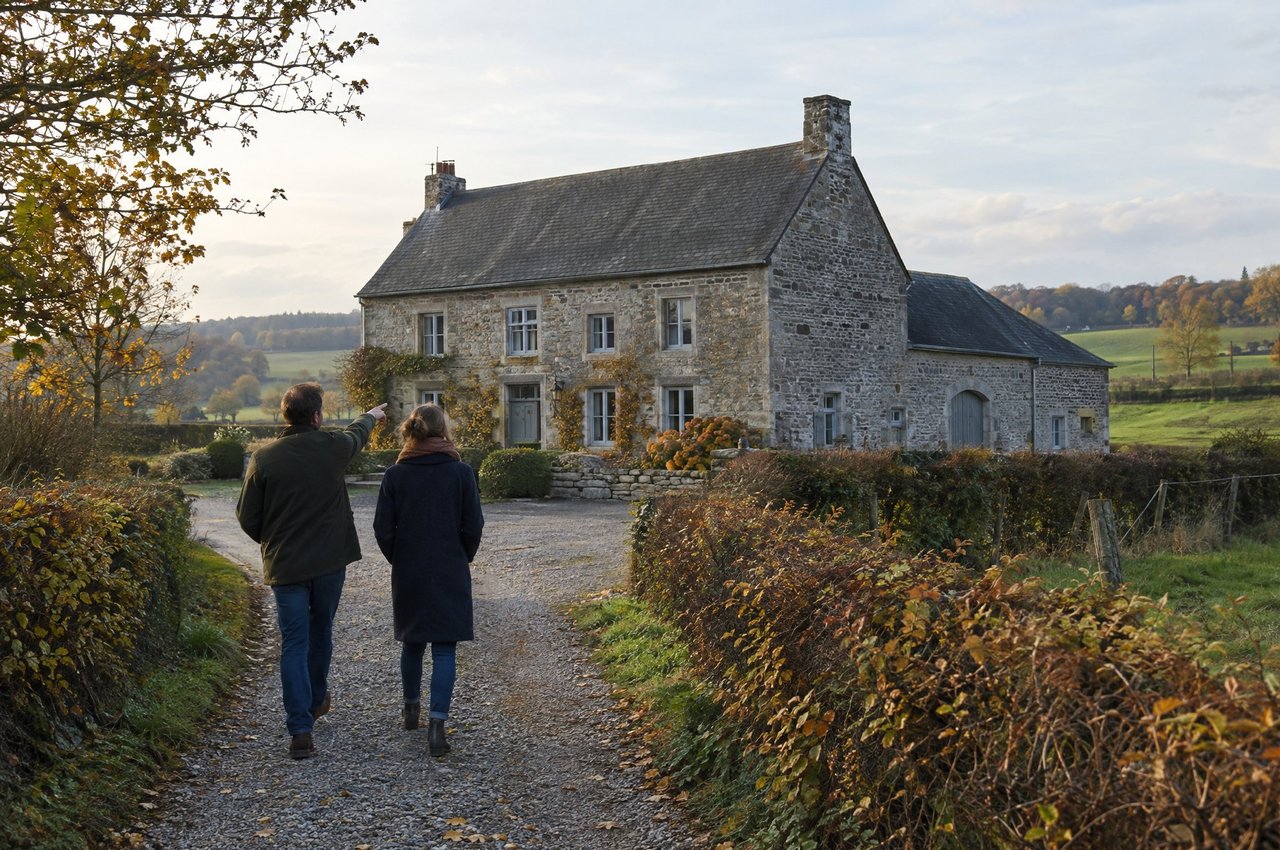
In the Province of Liège, price differences between municipalities are significant. A property in Embourg or Beaufays is not positioned at the same level as a comparable property in Amay or Ferrières. Demand, buyer profiles and the scarcity of properties vary from one area to another.
2. Size and layout
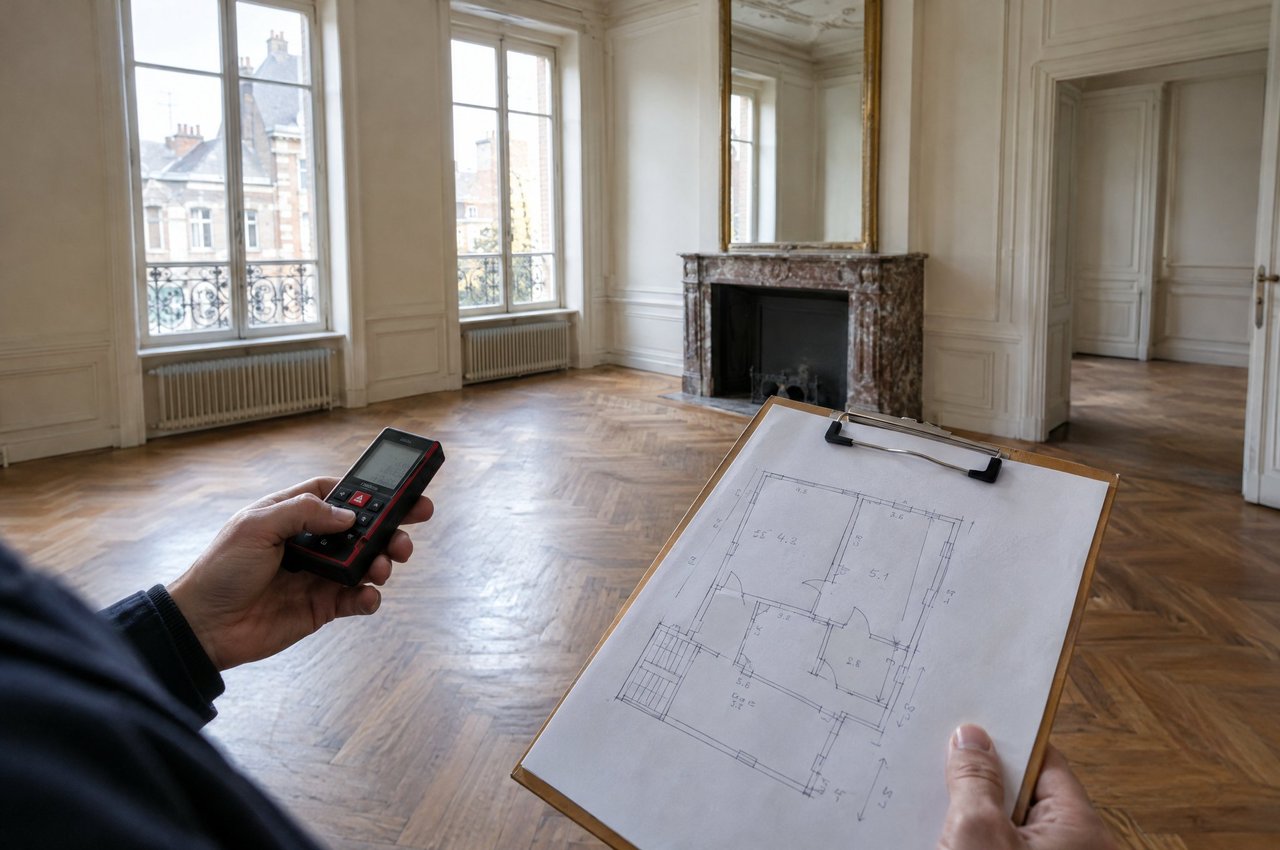
Living area is a basic criterion, but layout matters just as much. A poorly laid-out 200 m² property can feel less spacious than a well-designed 160 m² one. The flow between spaces, natural light, ceiling height, the presence of a study or a utility room: these elements influence perception and value.
3. General condition and recent work
A property in good condition sells faster and attracts less negotiation. Recent work, especially if documented by invoices, reassures buyers. A renewed roof, a recent boiler, new window frames: these are concrete arguments that defend the price.
Conversely, a property that needs major work will always be negotiated. The buyer factors the cost of the work into their offer, often with a safety margin.
4. Energy performance (EPB)
The EPB has become a major criterion in buying decisions. In Wallonia, the cost of energy and the prospect of renovation obligations for buyers, planned for 2028, make properties rated F or G less attractive. A well-insulated property with an efficient heating system sells better and faster.
The impact of the EPB on price can amount to several tens of thousands of euros depending on the rating and the type of property. It is a factor to anticipate in any sales strategy.
5. Plot and outdoor space
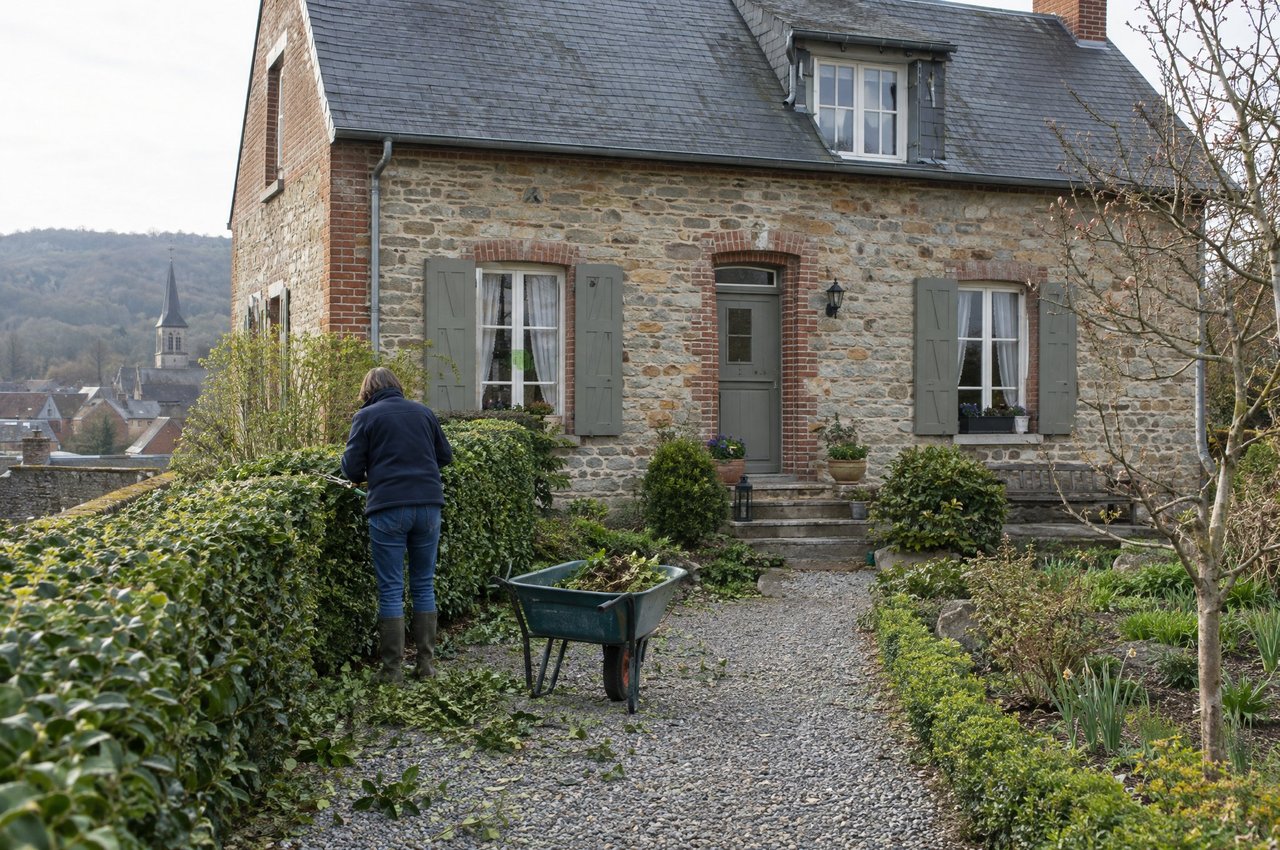
For family houses, the garden is often a decisive criterion. Its size, its orientation, its upkeep, the presence of a terrace, a swimming pool or a garden shed: all of this counts. A garden with a good aspect, south or south-west facing, can command a significant premium over a north-facing garden.
6. Market context
A property's value is not fixed. It changes with the market. Interest rates, local demand, the number of properties available in the area, the season: all these elements influence what a buyer is prepared to pay at a given moment.
Selling at the right time, in an active market, can make a real difference to the final price. That is one of the reasons why a good knowledge of the local market is essential.
7. Presentation and marketing
Finally, the way a property is presented influences its perceived value. Professional photographs, a precise and honest description, targeted marketing: these elements determine the number and quality of buyers who view the property. A well-presented property generates more offers, and more offers mean less negotiation.
YOUHOME builds these seven factors into every valuation report. The aim is to give owners a clear and complete picture of their property's value, and of the levers available to optimise it.