Mandatory documents before any advertising
In Belgium, and in Wallonia in particular, the sale of a property is governed by precise legal obligations. Some documents must be available before a listing is even published. Others are required at the sales agreement (compromis) or deed of sale stage. It is best to prepare them early to avoid any hold-ups.
The EPB certificate
The Energy Performance of Buildings certificate is mandatory before any advertising. It must be drawn up by an assessor approved by the Walloon Region. It remains valid for ten years.
The EPB rating directly shapes how buyers perceive the property and can affect the sale price. Wallonia is also preparing renovation obligations for buyers of properties rated E, F or G, which are not yet in force. It is therefore important to know your property's class before setting a price.
The electrical inspection report
If the electrical installation dates from before 1 October 1981 and has never been inspected since, an inspection by an approved body is mandatory before the sale. The report is handed to the buyer at the signing of the deed of sale. In practice, it is best to have it in hand from the sales agreement stage.
If the installation does not comply, the buyer has eighteen months after the deed to bring it into compliance. This may become a point of negotiation on the price. It is therefore best to know the condition of your installation before putting the property on the market.
Planning information
The seller must provide the buyer with the planning information relating to the property. This includes:
- The property's zoning designation (residential zone, agricultural zone, etc.).
- The planning permissions covering the existing buildings.
- The development permit (formerly subdivision permit) if the property is part of a subdivision.
- Any planning breaches.
- Any right of pre-emption.
- Whether the property lies in a flood or risk zone.
This information is obtained from the municipality. Lead times can vary from one administration to another. It is advisable to request it at the very start of the sales process.
The certified soil status extract
In Wallonia, the seller must request, for each plot sold, a certified extract from the Soil Status Database (BDES) and communicate its contents to the buyer before signing. This obligation has applied to every sale since 1 January 2019, whatever the property. The extract is ordered online from the Public Service of Wallonia, at 30 euros per plot. The notary or the agency often takes care of it.
The post-intervention file (DIU)
For works carried out by a contractor after 1 May 2001, a post-intervention file must be compiled. It contains the plans, technical data sheets and information useful for future maintenance or renovation work. This document is passed on to the buyer at the time of sale.
Useful additional documents
Beyond the legal obligations, some documents make the sale easier and reassure buyers:
- Invoices for recent works (roof, heating, window frames).
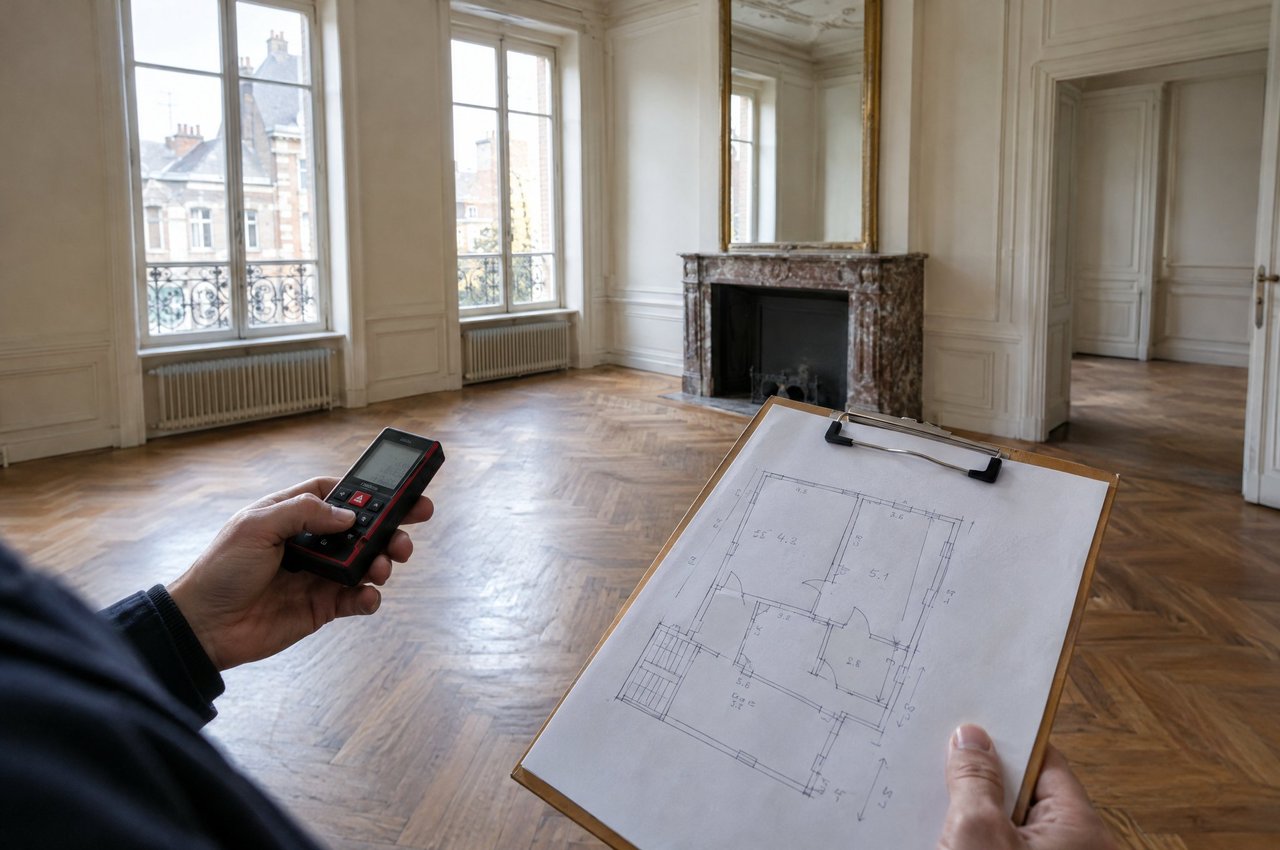
- Plans of the property, if available.
- The title deed.
- Service charge statements if the property is held in co-ownership.
- The co-ownership regulations and the minutes of general meetings for flats.
The notary's role
The notary is the central point of contact in a property sale in Belgium. The notary checks that the documents are in order, drafts the sales agreement and the deed of sale, and ensures that the transaction meets every legal obligation. It is advisable to contact the notary early in the process to anticipate any difficulties.
YOUHOME works alongside notaries in the region to make sure every file is complete before the property goes on the market. This avoids unpleasant surprises and protects seller and buyer alike.