An obligation from the moment of listing
In Wallonia, every home put up for sale must have an EPB certificate, drawn up by an approved assessor. The rating, from A for the best-performing properties to G, must appear in the listing as soon as the property is advertised. The certificate remains valid for ten years, unless significant works are carried out in the meantime. It is therefore one of the first documents to prepare, even before the property goes on the market.
The EPB: much more than a formality
For a long time, the EPB certificate was seen as one administrative obligation among many. Those days are over. Today, buyers read the EPB, understand it and factor it into their purchase decision. So do banks: some lenders tie their credit terms to the energy performance of the property.
In Wallonia, the energy reforms in preparation are reinforcing this trend further. The prospect of renovation obligations for the least efficient properties puts additional pressure on sellers of properties rated F or G.
The impact on price, in figures
Studies carried out in Belgium and neighbouring countries show that the price gap between a well-rated property (A or B) and a poorly rated one (F or G) can represent between 5% and 20% of the property's value, depending on the area and the type of property.
On a house valued at 500,000 euros, that amounts to between 25,000 and 100,000 euros. That is not negligible. And the gap tends to widen as future renovation obligations take shape.
It is important to note that these figures are orders of magnitude. The real impact depends on the local market, the type of property and the buyer profile. Consult a professional for an analysis tailored to your situation.
What buyers really look at
Buyers do not look only at the EPB letter. They also look at the specific consumption in kWh/m²/year, which gives a more precise idea of real energy costs. A property rated D with a consumption of 250 kWh/m²/year will be perceived differently from a property rated D at 180 kWh/m²/year.
They also look at the type of heating, wall and roof insulation and the type of glazing. These elements allow them to assess the cost of the works needed to improve the property's performance.
Renovation obligations in Wallonia
Today, unlike in Flanders, no renovation obligation applies to the buyer of a Walloon property. At the end of 2025, the Walloon government approved a draft that would require, for purchases from 2028, properties rated E, F or G to reach at least a D rating within five years. This timetable still has to be confirmed by legislation: check the Walloon Region's website or ask your notary for the exact position at the time of sale.
Well-informed buyers are already factoring this prospect into negotiations. A buyer who knows they will have to invest in energy works after the purchase will take it into account in their offer.
Improving your EPB before selling: when it pays off
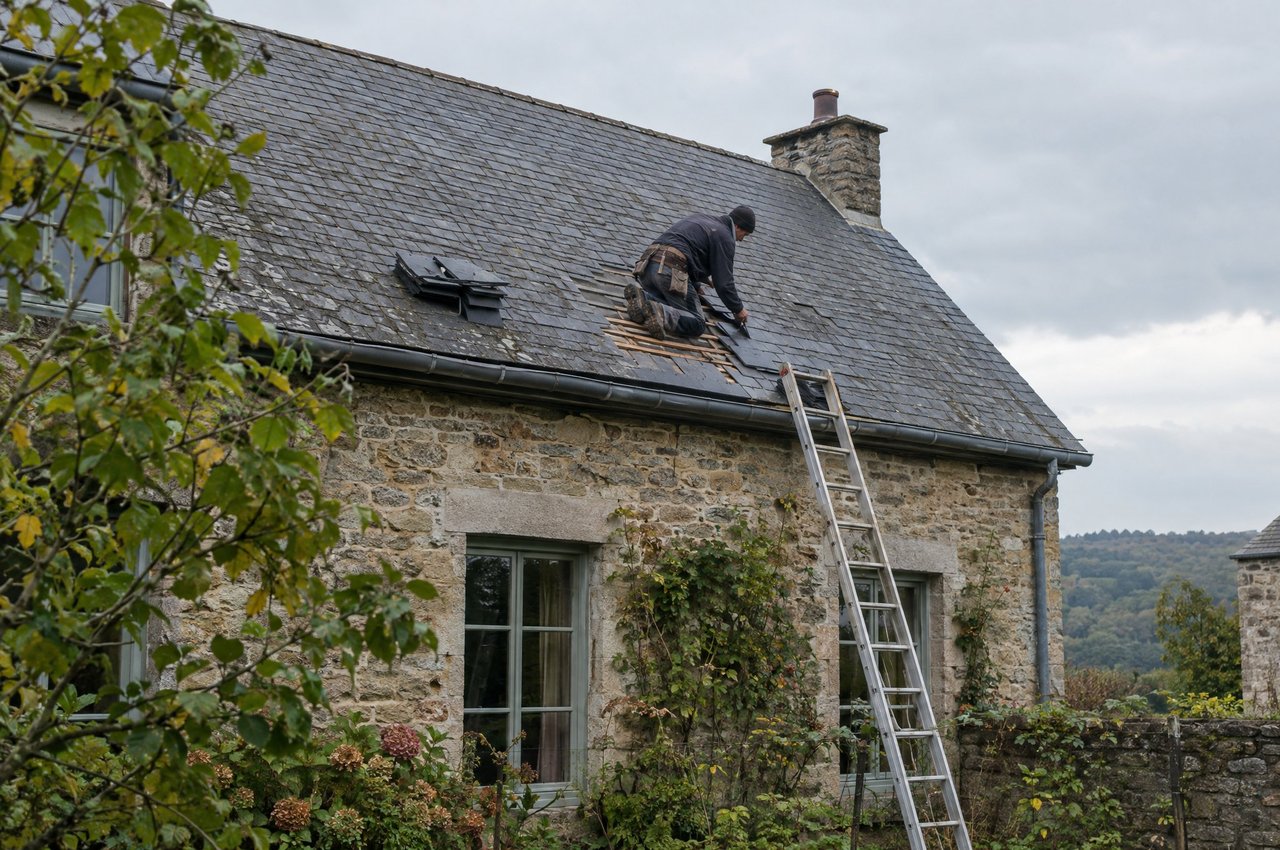
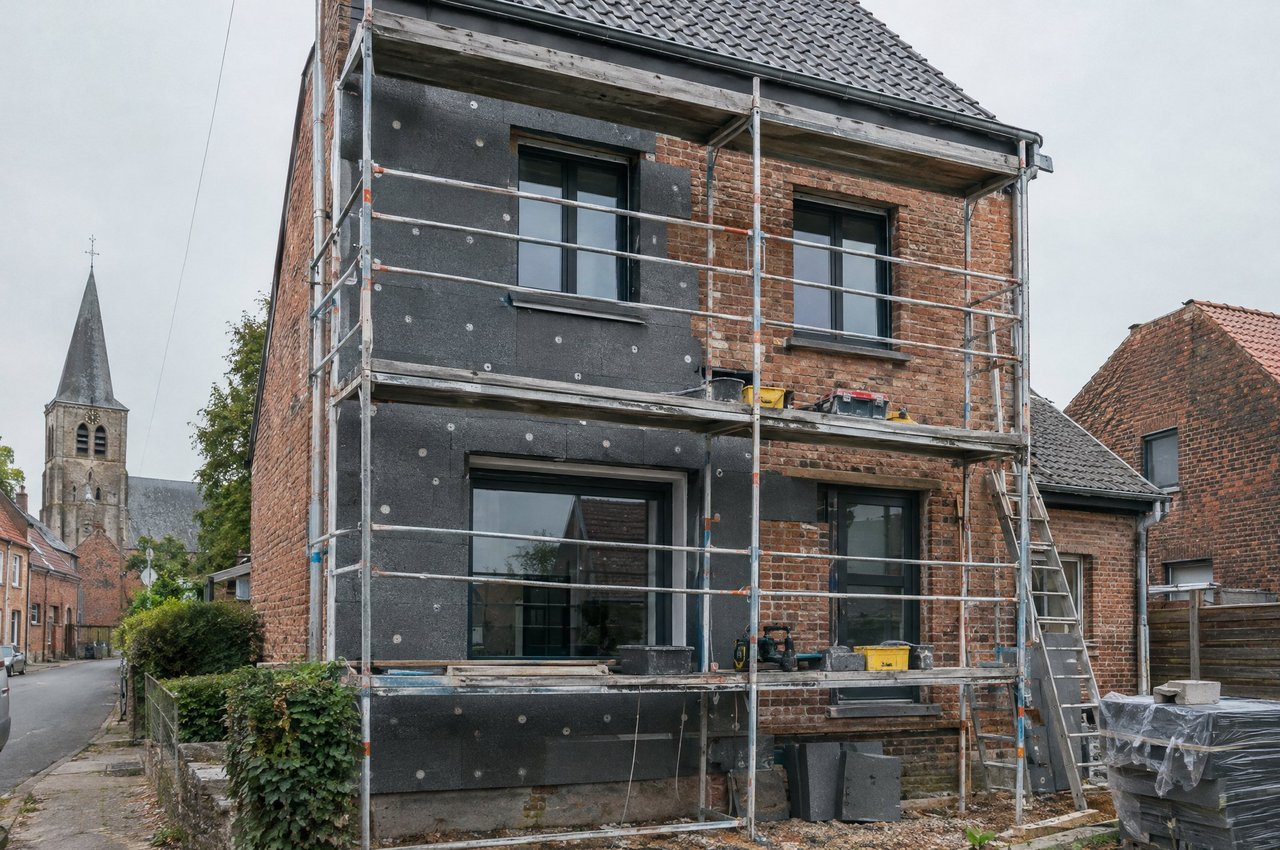
Some energy improvement works can significantly increase a property's value before the sale. Replacing window frames, insulating the roof or installing a condensing boiler are investments that can improve the EPB rating and reduce buyers' objections.
But not all works are justified. The cost-benefit analysis must be done case by case, taking into account the local market and the profile of the target buyers. YOUHOME supports owners in this thinking before every market launch.
Selling with a poor EPB: it is possible
A poor EPB does not prevent a sale. But it has to be reflected in the price and in the communication. A property sold honestly, at a price consistent with its energy condition, finds a buyer. Buyers looking for properties to renovate do exist, and they are often well informed.
Transparency is the best strategy. Trying to play down the impact of a poor EPB exposes the seller to more aggressive negotiation and potential claims after the sale.
Finally, the EPB remains one factor among others. A well-located character home with charm, land and generous proportions retains strong value even with an average rating. The aim is not to chase the best rating at all costs, but to present the property honestly and answer buyers' questions precisely.