The trap of unnecessary work
Many owners invest in work before selling, convinced it will raise their sale price. Sometimes that is true. Often the return on investment is disappointing. The golden rule: only carry out work that removes major objections or significantly improves how the property is perceived.
A buyer will not pay for a high-end kitchen if the rest of the property does not match. Nor will they pay for a refitted bathroom if the roof is in poor condition. The consistency of the property matters as much as each element taken on its own.
The work that defends the price
The roof
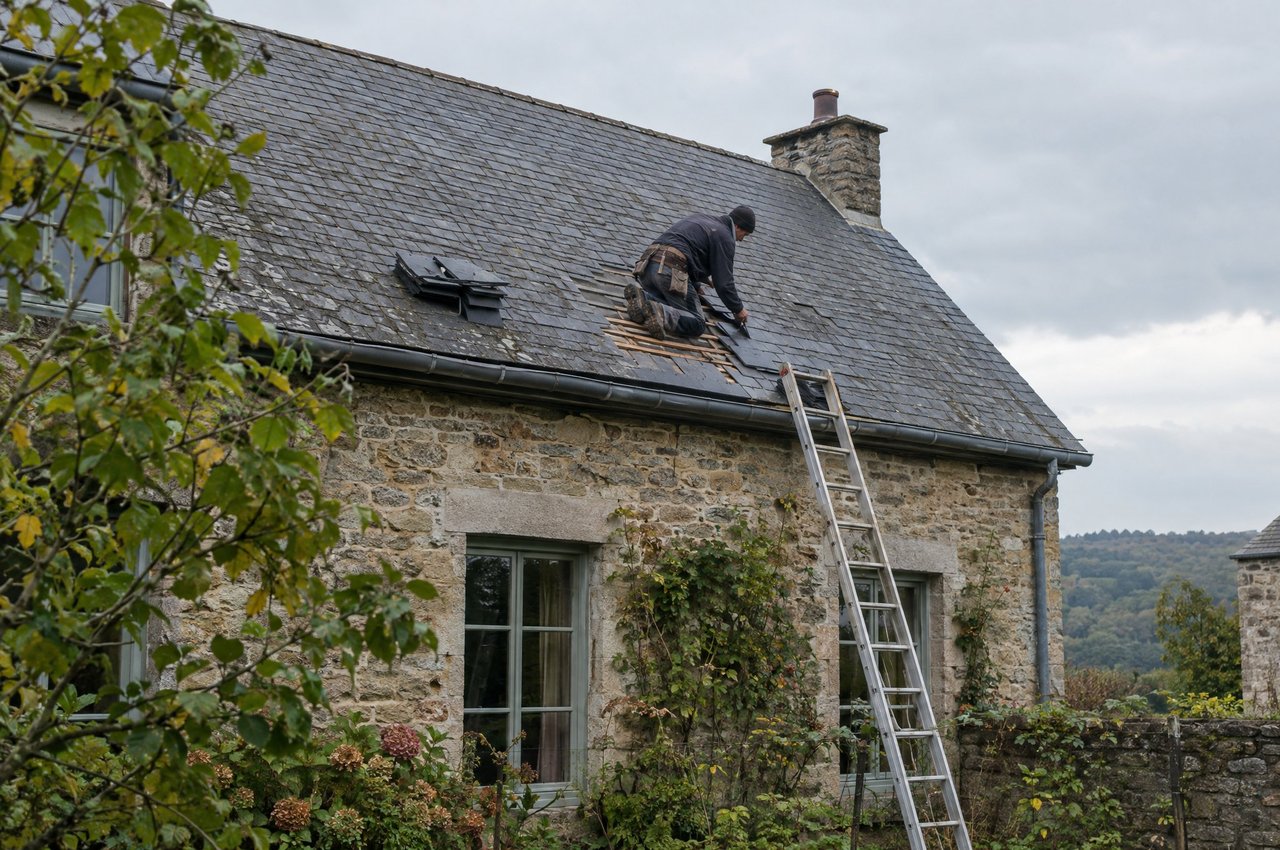
This is often the first point of attention for buyers and their surveyors. A roof in poor condition always leads to negotiation. A renewed roof, backed by invoices, removes that argument and reassures. The cost is significant, but the return is generally positive on family homes.
The heating system
An old boiler or a non-compliant heating installation holds back a sale. Replacing an old boiler with a recent system improves the EPB, reduces future energy costs and reassures buyers. It is an investment that is justified in most cases.
Window frames and glazing
Moving from single to double glazing, or from double to triple glazing, improves comfort, the EPB and the look of the property. The impact on price can be significant, especially on older properties where the frames are clearly ageing.
Roof insulation
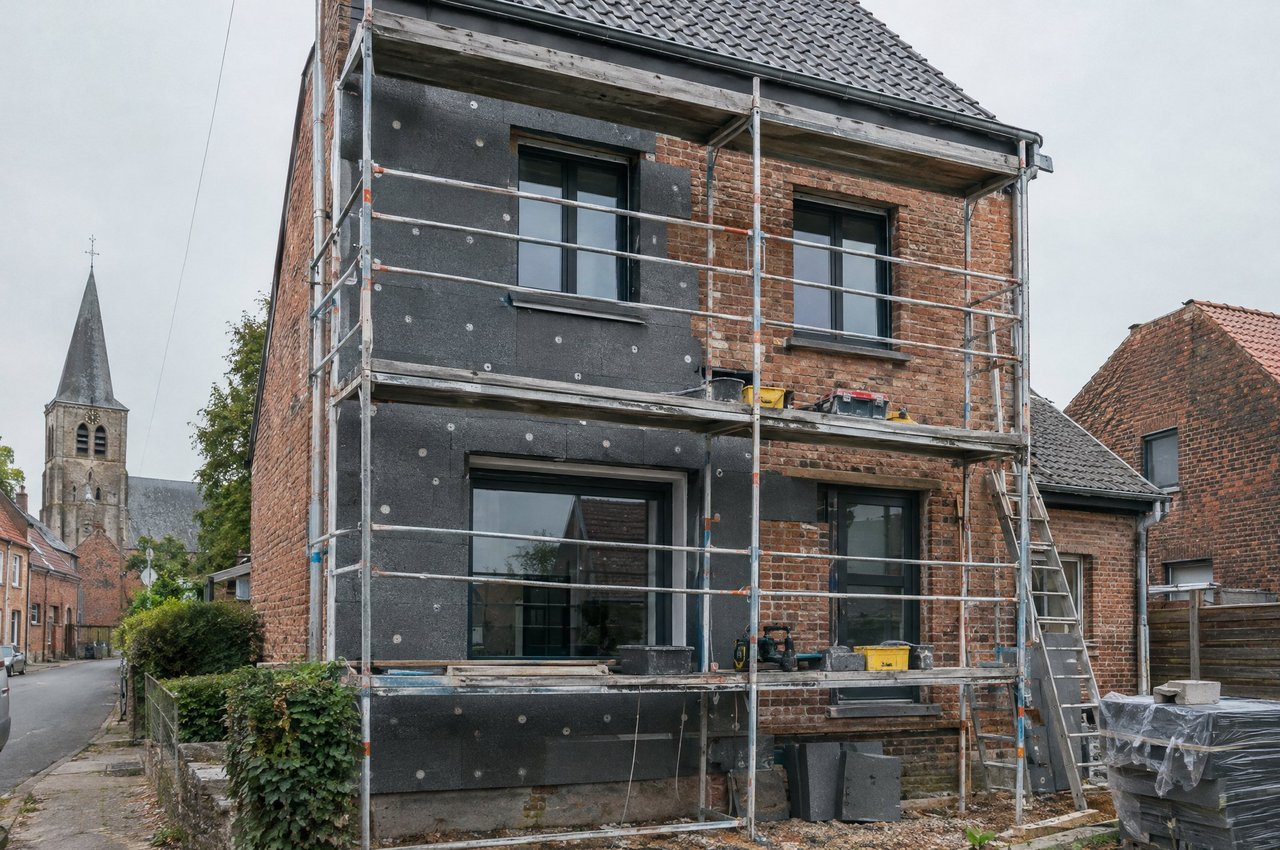
This is often the most cost-effective energy improvement. Roof insulation improves the EPB rating, reduces heat loss and may qualify for regional grants. On a property rated F or G, it can move the property up a rating and reduce the impact on price.
Presentation work
Beyond structural work, some light improvements have a disproportionate impact on how the property is perceived:
- Repainting the walls in neutral tones: inexpensive, very effective.
- Fixing visible defects: a leaking gutter, a broken shutter, a creaking door.
- Restoring damaged floors: sanding a parquet floor, replacing a broken tile.
- Looking after the exterior: garden, terrace, front of the house.
These improvements cost little and their impact on the first impression is real.
The work to avoid
Some work is best avoided before a sale:
- A complete kitchen or bathroom in a property that does not justify it: the return is rarely in proportion to the investment.
- Highly personal finishes: what the seller likes will not necessarily appeal to the buyer.
- Partial work that creates a contrast: one renovated room in an otherwise dated property can raise more questions than confidence.
How to decide?
The best approach is to have the property valued in its current condition, then assess the potential impact of each planned piece of work on the sale price. If the estimated gain exceeds the cost of the work, the investment is justified. If not, it is better to adjust the price accordingly.
YOUHOME supports owners with this analysis before every property goes on the market. The aim is to maximise the net result of the sale, not to spend unnecessarily.