EPB G: a common reality in Wallonia
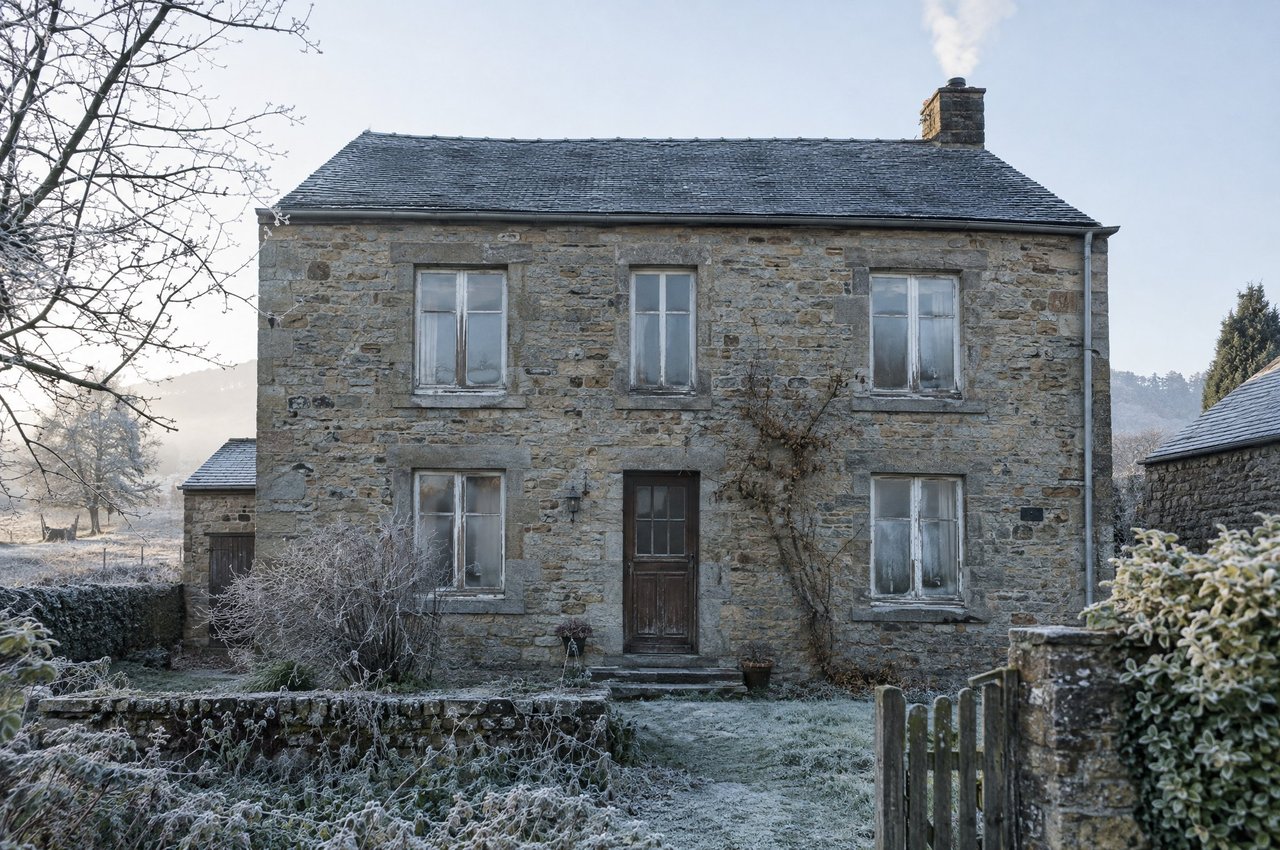
The Walloon housing stock is old. A significant share of family homes carry an EPB rating of E, F or G. This is not the exception, it is a market reality. Selling with a poor EPB rating is therefore entirely possible, provided you take the right approach.
The wrong approach is to ignore the problem or try to play it down. The right approach is to anticipate it, build it into the pricing strategy and communicate honestly with prospective buyers.
The legal obligations linked to an EPB G rating
In Wallonia, unlike Flanders, there is currently no renovation obligation on the buyer of a property rated F or G. At the end of 2025 the Walloon government approved a draft that would require purchases from 2028 onwards to reach at least label D within five years. This timetable still has to be confirmed by a legal text, but well-informed buyers are already factoring it in.
The seller is not required to carry out these works before the sale. However, they must hold a valid EPB certificate before any advertising begins, and this certificate must be handed to the buyer. For the exact state of the regulations at the time of sale, consult the Walloon Region's energy website or your notary.
The impact on price
An EPB G rating has a real impact on the sale price. Buyers factor the cost of future works into their offer. The impact varies with the type of property, the area and the buyers' profile. For a family home in the Province of Liège, the gap can amount to several tens of thousands of euros compared with a similar property with a better rating.
This does not mean selling the property off cheaply. It means setting a realistic price that takes this factor into account. A price consistent with the property's energy performance attracts serious buyers and reduces negotiation.
Which works should you consider before selling?
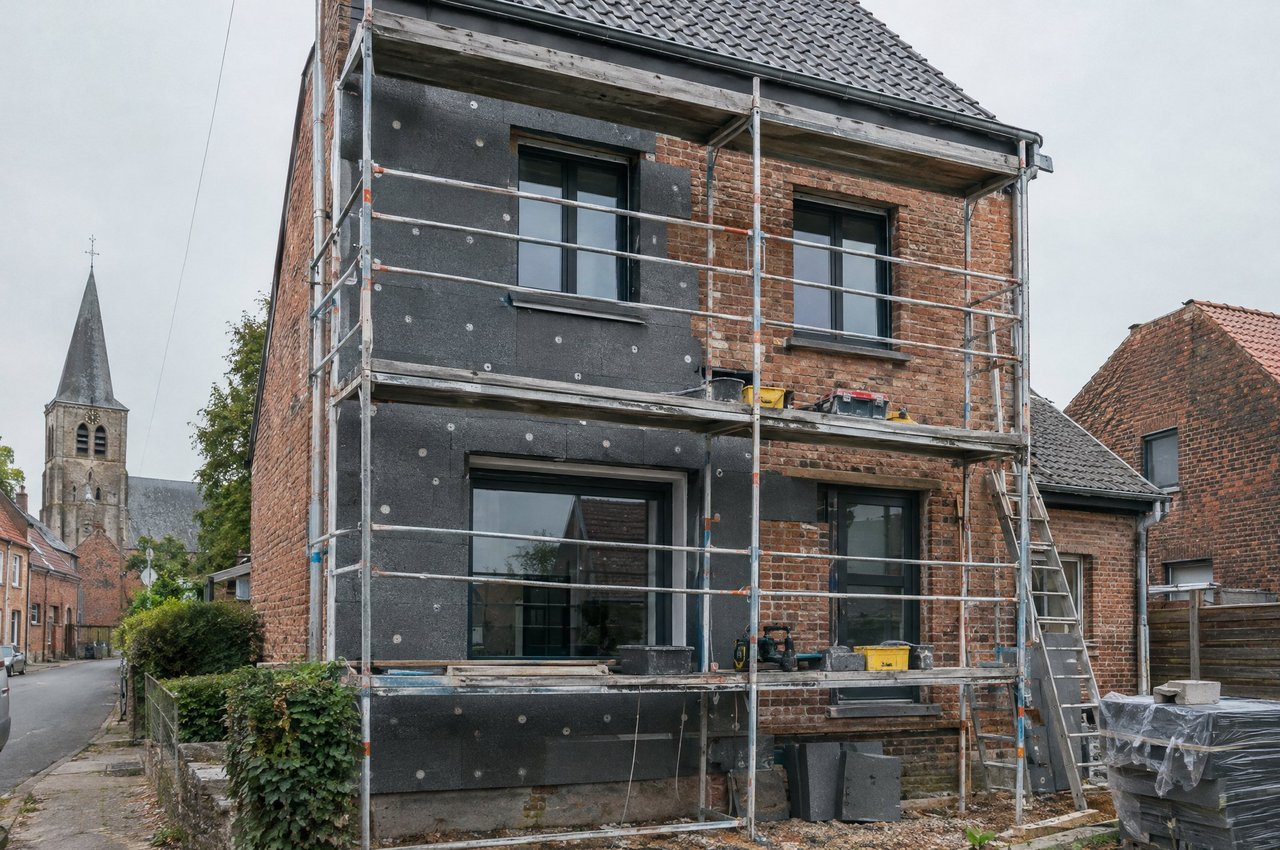
Some works can significantly improve the EPB class without requiring a disproportionate investment:
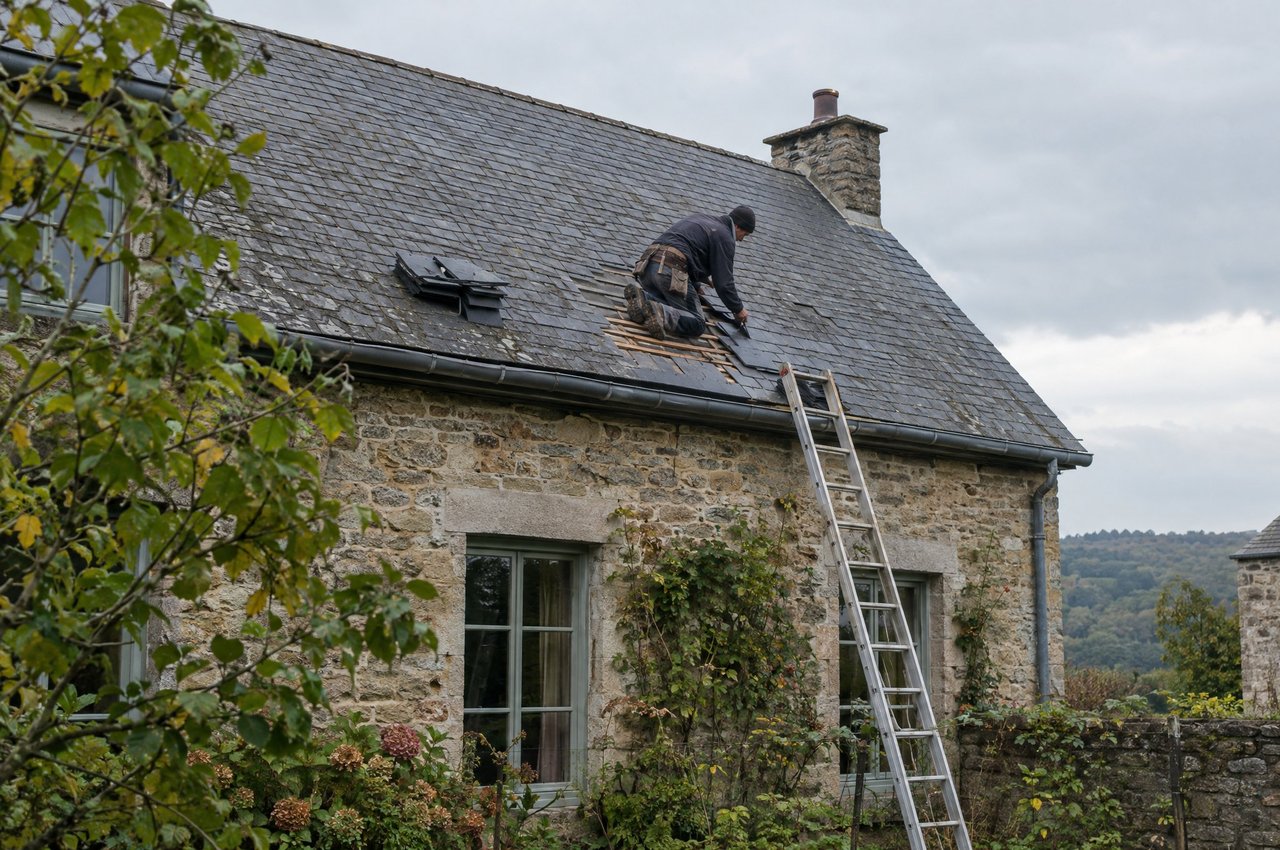
- Roof insulation: often the most effective measure in terms of cost and benefit.
- Replacing window frames with double or triple glazing.
- Installing a condensing boiler to replace an old one.
Before committing to these works, it is advisable to have an energy audit carried out. The audit identifies the priority measures and gives an estimate of the expected improvement in class. It is also a condition for regional grants, whose scheme is changing: check the conditions currently in force.
Not all works are justified before a sale, however. The analysis must be made case by case, taking into account the local market and the desired time to sell.
How to communicate with buyers
Transparency is the best strategy. Stating the EPB rating clearly in the listing, explaining the works that could be done, providing quotes where available: these elements reassure buyers and reduce objections during viewings.
A buyer who discovers an EPB G rating at the viewing, without having been told beforehand, will feel misled. A buyer who knew from the outset and chose to view anyway is a motivated buyer.
The buyer profile for an EPB G property
Properties with a poor EPB rating often attract buyers looking to renovate to their own taste, investors, or purchasers whose budget does not stretch to better-rated properties. These are buyers who know what they are doing and often have a clear view of the works required.
YOUHOME supports owners in defining a strategy suited to each situation, including for properties with a poor EPB rating.