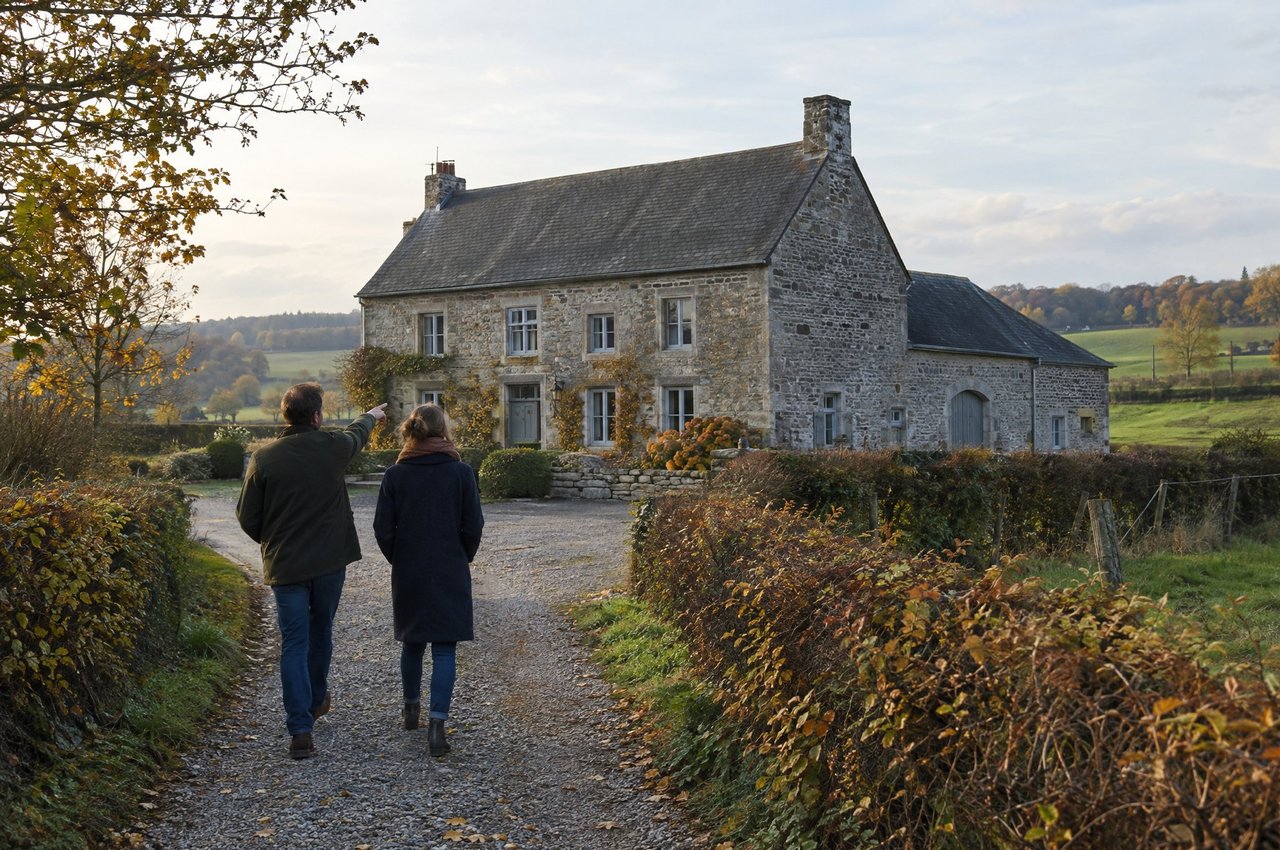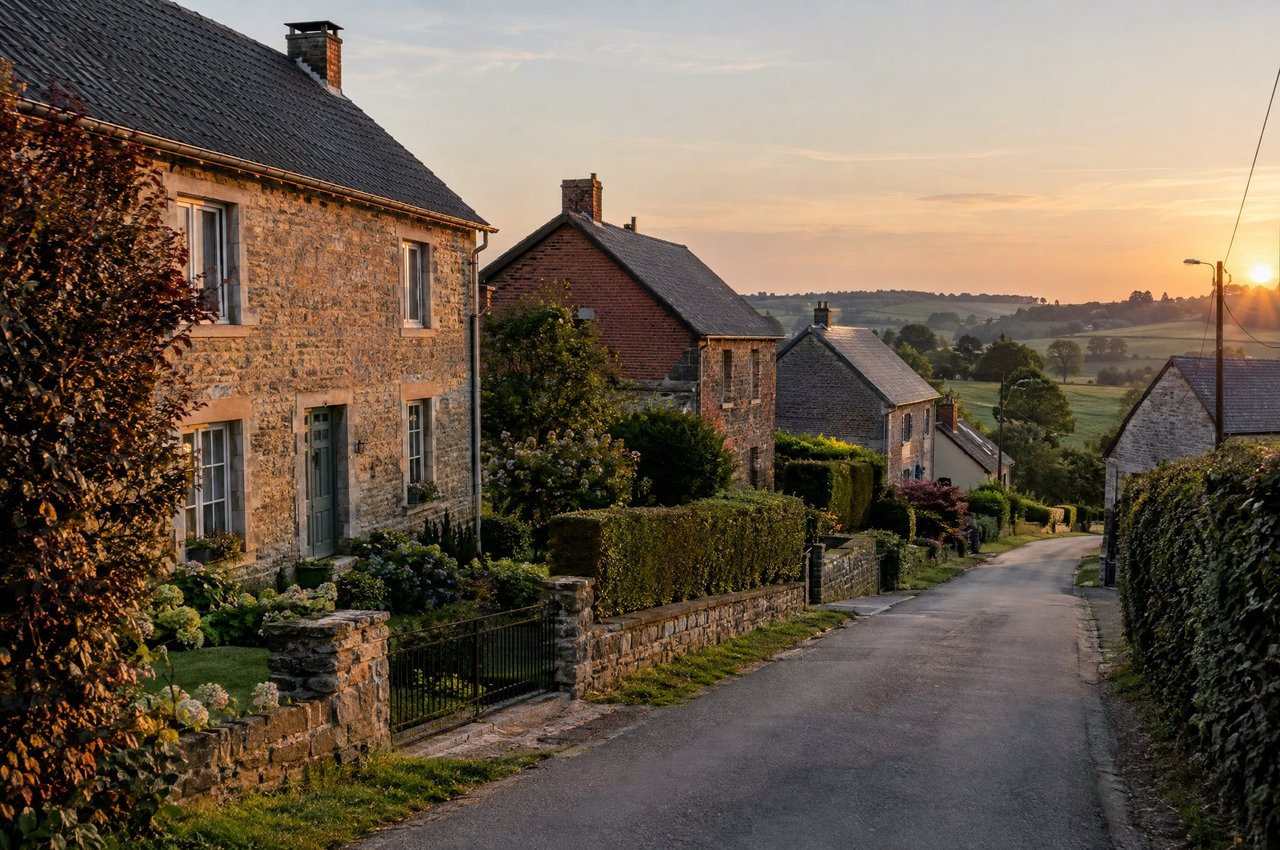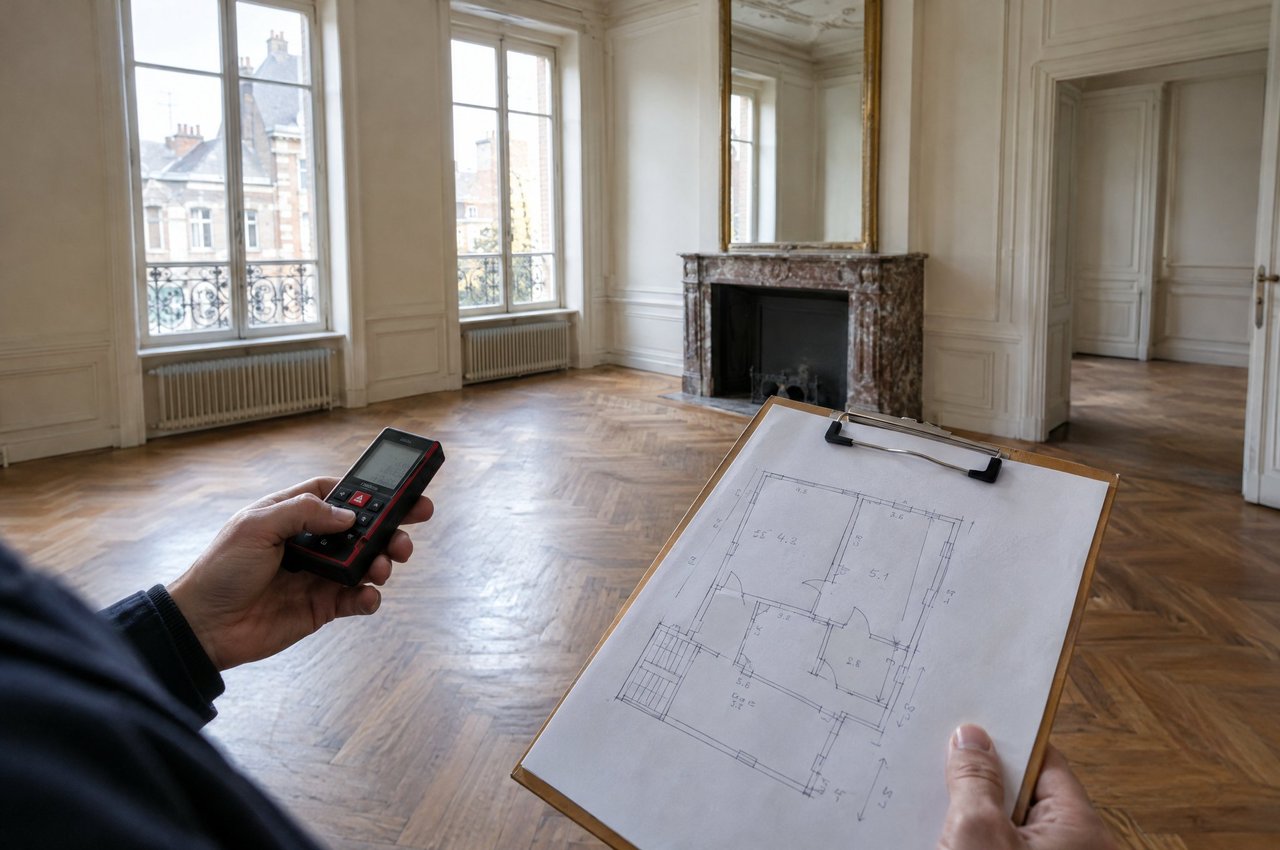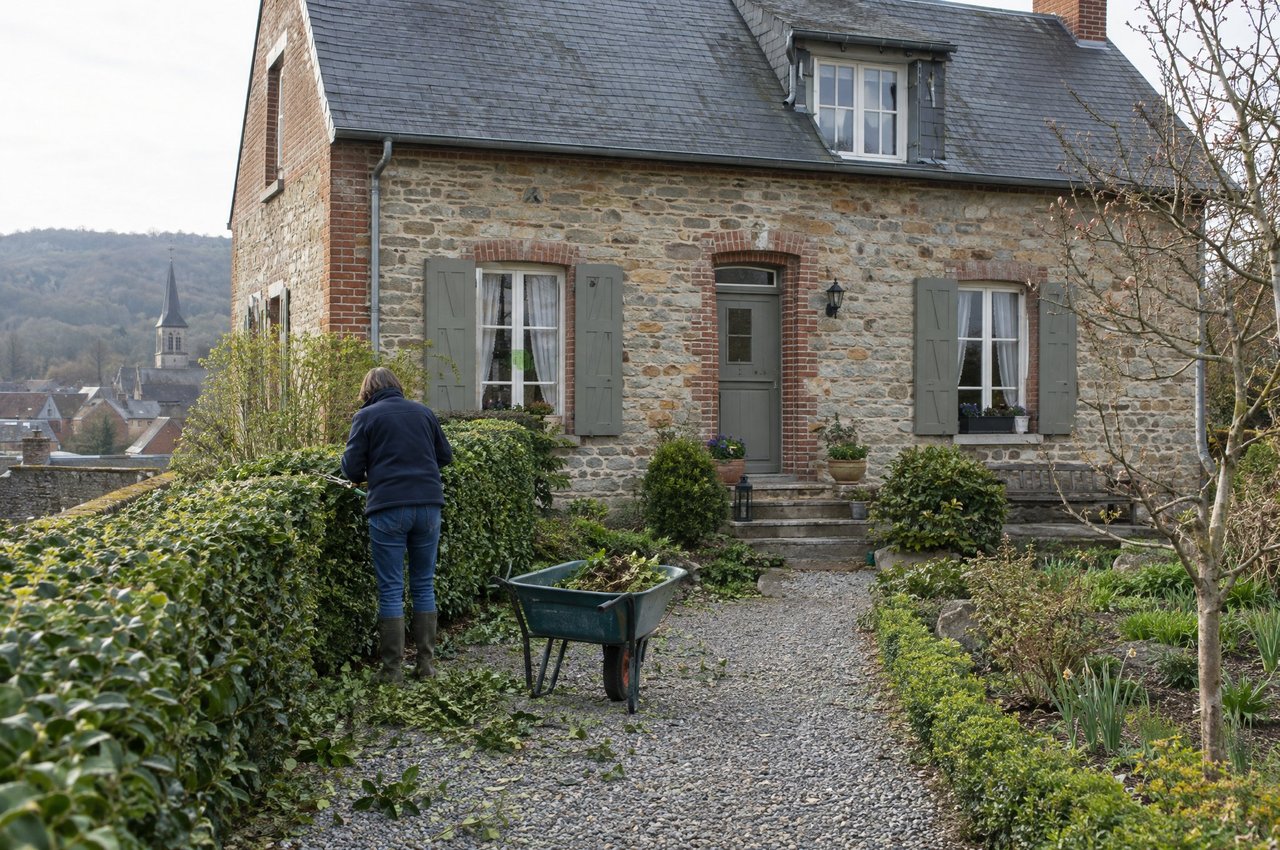
Why preparation makes the difference
A well-prepared house sells faster and at a better price. This is not an empty phrase: qualified buyers view several properties in a short time, and their first impression often shapes their decision. A property that inspires confidence from the moment you walk in generates less negotiation and less hesitation.
In the Province of Liège, the residential market remains active in the family segment. But buyers are informed, often advised, and they compare. Preparing your sale means giving yourself the means to defend your property's value.
The documents to gather first
Even before contacting an agency or setting a price, you need to gather the mandatory documents. In Wallonia, a property sale involves several certificates and attestations:
- The EPB certificate (Energy Performance of Buildings), mandatory before any advertising.
- The electrical inspection report, required if the installation dates from before 1 October 1981 and has never been inspected.
- Planning information: planning permission, subdivision permit if applicable, compliance of the buildings.
- The certified extract from the Soil Condition Database (BDES), mandatory for every sale.
- The post-intervention file (DIU) for work carried out after 2001.
Gathering these documents in advance avoids hold-ups at the sales agreement (compromis) stage. A notary or a reputable agency will guide you on what is required for your property's specific situation.
The condition of the property: what really matters
The point is not to renovate everything before selling. Some work genuinely adds value to a property, some never pays for itself. The general rule: deal with what jars, not with what is simply dated.
In practice, this means:
- Fixing visible defects: a leaking gutter, a broken shutter, flaking paint in the entrance hall.
- Decluttering the rooms so that the volumes can be read.
- Cleaning thoroughly, including cellars, garages and lofts.
- Looking after the exterior: mown lawn, clean terrace, presentable front of the house.
These improvements are inexpensive but their impact on how the property is perceived is real. A buyer who views a clean, tidy property finds it easier to picture their life there.
The price: neither too high nor too low
Setting the right price is the most delicate step. A price that is too high drives away serious buyers and lengthens timescales. A property that stays on the market for a long time loses perceived value, and negotiations become more aggressive.
A price that is too low, conversely, leaves money on the table and can even arouse suspicion: why is it being sold so quickly, so cheaply?
The valuation must be based on real data: recent sales in the area, the condition of the property, its size, its EPB, its orientation, the quality of the neighbourhood. An agency that knows the local market can provide you with a reasoned valuation report, not a figure produced by an algorithm.
Marketing: visibility and selectivity
Once the property is ready and the price set, marketing must be planned with care. Professional photographs are essential: they determine the number of viewing requests. A clear floor plan, a precise and honest description, targeted marketing through the right channels.
Selectivity in viewings matters too. Organising viewings with unqualified buyers wastes time and can unsettle the seller. Good support makes it possible to screen enquiries and show the property only to people genuinely in a position to buy.
What YOUHOME brings at this stage
YOUHOME supports owners from the preparation stage onwards. This includes a visit to the property, an analysis of its potential, practical advice on what deserves attention before it goes on the market, and a valuation report based on the real market in the Province of Liège.
The aim is not to sell quickly at any price. It is to sell at the right price, to the right buyers, in the best conditions for the seller.