Why the valuation is the foundational step
Everything starts with the price. Set it too high and the property lingers on the market and loses perceived value. Set it too low and the seller leaves money on the table. A fair, reasoned valuation grounded in the reality of the local market is what makes a sale on good terms possible.
In Belgium, valuation methods vary widely. Some are available in a few clicks. Others require a visit, an analysis and detailed knowledge of the market. The difference between these approaches is often significant.
Online tools: useful but limited
Online valuation tools have multiplied in recent years. They give a price range in a few minutes, based on public data and automated comparisons. This is a good starting point for a general idea.
But these tools have significant limitations. They do not see the actual condition of the property. They take no account of orientation, quality of finish, the view, the garden or the immediate surroundings. They work with averages, not realities.
An exceptional property in an average area will be undervalued. An average property in a sought-after area will be overvalued. The tool cannot tell the difference.
Valuation by comparison
The most common method is to compare the property with similar recent sales in the same area. This is the method used by notaries and reputable agencies. It relies on real data: actual sale prices, not asking prices.
The distinction matters. The price shown in a listing is not the price achieved. In Belgium, the gap between asking price and sale price can range from a few per cent to more than ten per cent, depending on the market and the condition of the property.
The factors that influence value
A serious valuation takes many parameters into account:
- The living area and the plot size.
- The number of bedrooms and the layout of the spaces.
- The overall condition of the property and recent works.
- The EPB class and energy performance.
- Orientation and natural light.
- Location: municipality, neighbourhood, proximity to main roads, schools and shops.
- The local market at the time of sale.
The on-site valuation: what it brings
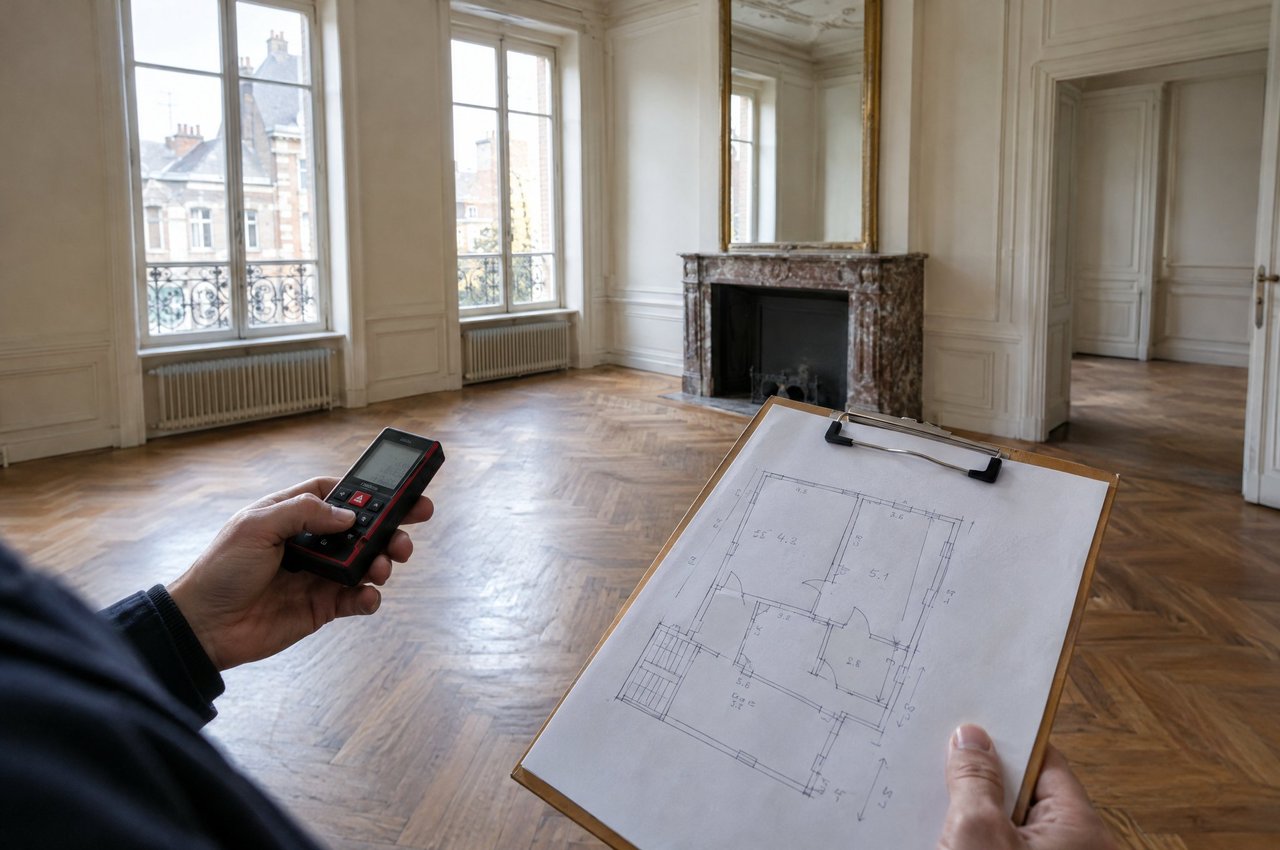
A visit from a professional who knows the local market brings what no algorithm can provide: a human eye on the property, a reading of its strengths and weaknesses, and knowledge of the buyers active in the area.
YOUHOME produces reasoned valuation reports for owners in the Province of Liège. The report is not a figure churned out by a tool. It is an analysis that explains the value, the comparables used, and the property's strengths and points to watch.
Valuation and pricing strategy
The valuation is not an end in itself. It serves to define a pricing strategy. Should you ask the maximum price and leave room for negotiation? Should you position the property slightly below the market to generate several offers quickly? The answer depends on the context, the desired timescale and the seller's situation.
Good support builds this strategic thinking in from the outset.